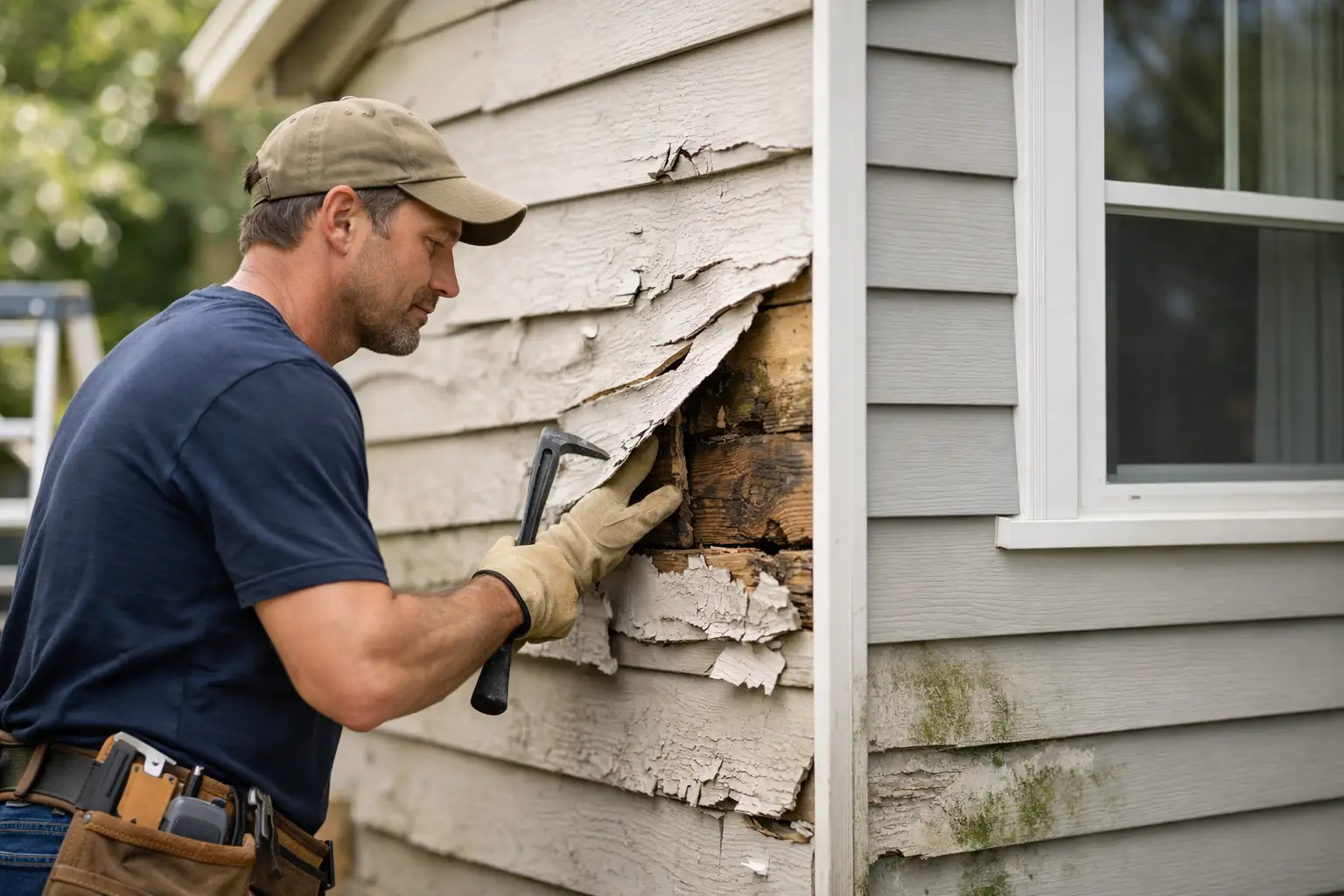
A small crack near a window can look like a paint problem. A soft spot at the bottom of a wall can look minor, too. But siding is your home’s outer barrier against water, wind, sun, and pests. Once that barrier fails, moisture can move behind the visible surface and create expensive damage in sheathing, insulation, framing, and interior walls. Knowing when to replace house siding helps you address the real problem before a simple exterior project turns into a larger repair.
For Bay Area homeowners, timing is not always straightforward. Coastal fog, wind-driven rain, salt air near the water, and strong sun exposure on certain elevations can wear siding unevenly. One wall may need attention years before the rest of the home. The right decision depends on the siding material, the source of damage, and what is happening behind it.
When to Replace House Siding Instead of Repairing It
Repair is often the sensible choice when damage is limited to a few boards or panels and the surrounding material is solid. Replacing a small section can stop a localized issue, preserve the rest of the exterior, and avoid unnecessary work.
Replacement becomes the better option when damage is widespread, repeats after repairs, or allows water into the wall assembly. If matching materials are no longer available, patching can also leave the home with a noticeably uneven appearance. More importantly, a surface-level repair will not solve rot, mold, or deteriorated sheathing hidden behind the siding.
A professional inspection should look beyond the face of the wall. The question is not only whether the siding looks worn. It is whether it can still protect the structure underneath.
1. Rot, soft spots, or crumbling edges
Wood siding that feels soft when gently pressed, flakes apart, or has dark, spongy areas has likely absorbed moisture over time. Rot commonly begins around trim, lower wall sections, roof-to-wall intersections, windows, doors, and areas where gutters overflow.
One isolated rotten board may be replaceable. Multiple areas of decay usually point to a broader moisture-management issue. In that case, replacing siding without correcting failed flashing, caulking, drainage, or gutter problems can lead to the same damage all over again.
2. Cracks, holes, and broken panels across several walls
Hairline cracking can occur as siding ages, especially in areas with changing temperatures and direct sun. A few small cracks may be repairable. Widespread cracking, split boards, impact holes, or brittle panels are different. They create direct paths for rain and insects to reach the layers behind the siding.
Pay close attention to cracks that open at joints or extend from fasteners. These may indicate movement, improper installation, or material that has become too brittle to perform reliably. If replacement pieces continue to crack or fail nearby, the exterior is likely reaching the end of its useful service life.
3. Warping, buckling, or loose siding
Siding should lie flat and maintain consistent joints. Boards or panels that cup, bow, buckle, pull away from the wall, or rattle in the wind are warning signs. Moisture intrusion can cause wood products to swell and distort. Vinyl can warp from heat exposure or improper installation. Fiber cement can also develop problems if it was installed without proper clearances or flashing.
Loose siding is not merely cosmetic. Wind can force water behind raised edges, and the opening can grow with each storm. A contractor should determine whether the issue is limited to a repairable section or whether the wall has moisture damage and needs a larger replacement plan.
4. Peeling paint that returns quickly
Paint eventually needs maintenance, particularly on wood siding. The concern is paint that blisters, peels, or bubbles again soon after repainting. This often means moisture is pushing outward from behind the paint film, or the siding itself is no longer holding paint properly.
Before scheduling another paint job, inspect the substrate. Painting over damp, deteriorated siding may improve the appearance for a short time, but it can trap the problem and delay the repair your home actually needs.
5. Water stains or dampness inside the home
Discoloration on interior drywall, bubbling paint near exterior walls, musty odors, or damp window trim should be investigated promptly. These signs do not automatically mean the siding is at fault. A leaking roof, window, plumbing line, or condensation issue can produce similar symptoms.
Still, when interior moisture appears near cracked, damaged, or aging siding, it is reasonable to suspect the exterior wall system. The sooner the source is identified, the better the chance of limiting dry rot and avoiding a more invasive repair.
6. Insect activity and recurring pest entry
Carpenter ants, termites, and other pests are attracted to damp or decaying wood. Small gaps in siding and trim can also provide easy entry points for insects and rodents. You may notice insect holes, sawdust-like material, damaged wood near the base of walls, or recurring activity in the same area.
Pest treatment matters, but it does not restore damaged building materials. If insects have taken advantage of wet or deteriorated siding, the affected materials should be opened, assessed, and repaired before new siding is installed.
7. High maintenance with no lasting result
There is a practical point where annual caulking, frequent touch-up painting, repeated board repairs, and ongoing water concerns cost more in time and disruption than a planned replacement. This is especially true for landlords and property managers trying to keep a property safe, presentable, and easier to maintain.
Replacement does involve a larger upfront project. The trade-off is an opportunity to correct hidden damage, improve flashing details, and choose a siding material that fits the home’s maintenance needs. The best material is not automatically the most expensive one. It should suit the building style, local exposure, budget, and willingness to handle future upkeep.
8. Your siding is near the end of its expected lifespan
Age alone does not decide when siding must be replaced. Well-maintained siding can last longer than expected, while poorly installed or heavily exposed siding can fail early. But knowing the approximate age of the exterior helps put visible problems in context.
Wood siding may need more frequent maintenance than other options, particularly where moisture is persistent. Vinyl can become brittle or fade over time. Fiber cement is durable but still depends on correct installation and periodic paint maintenance. If your siding is older and showing several of the warning signs above, replacement is usually more dependable than continuing with isolated patches.
What a Proper Siding Replacement Should Address
A lasting siding project is more than removing old boards and attaching new ones. Once the old material comes off, the wall should be checked for dry rot, damaged sheathing, pest damage, and signs of long-term moisture. Any needed repairs should happen before the new exterior is closed up.
Proper water management is equally important. Flashing around windows, doors, roof lines, penetrations, and transitions directs water out rather than into the wall. Weather-resistive barriers, trim details, sealants, and correct clearances all work together. Skipping these details can shorten the life of even high-quality siding.
This is why homeowners should be cautious about a quote based only on exterior photos. An experienced contractor can explain what is visible, what may need to be investigated after removal, and how unexpected damage will be handled. Clear communication before work begins prevents surprises once the project is underway.
Choose the Right Time for the Work
If water is actively entering the home, siding is loose, or rot is visible, do not wait for a convenient season. These conditions can worsen quickly during rain and wind. A prompt inspection can determine whether temporary protection is needed before full replacement.
For non-urgent projects, plan ahead. Exterior work requires dry working conditions and coordination around windows, trim, painting, and possible dry rot repairs. Booking before damage becomes severe gives you more control over timing and material choices. Fullhouse Remodeling & Handyman Services can assess the condition of the exterior and provide a straightforward scope for repair or replacement.
A clean-looking exterior matters, but sound siding does far more than improve curb appeal. Treat the first signs of failure as a reason to investigate, not just repaint. A timely decision can protect the walls you cannot see and keep a manageable project from becoming a major disruption.
