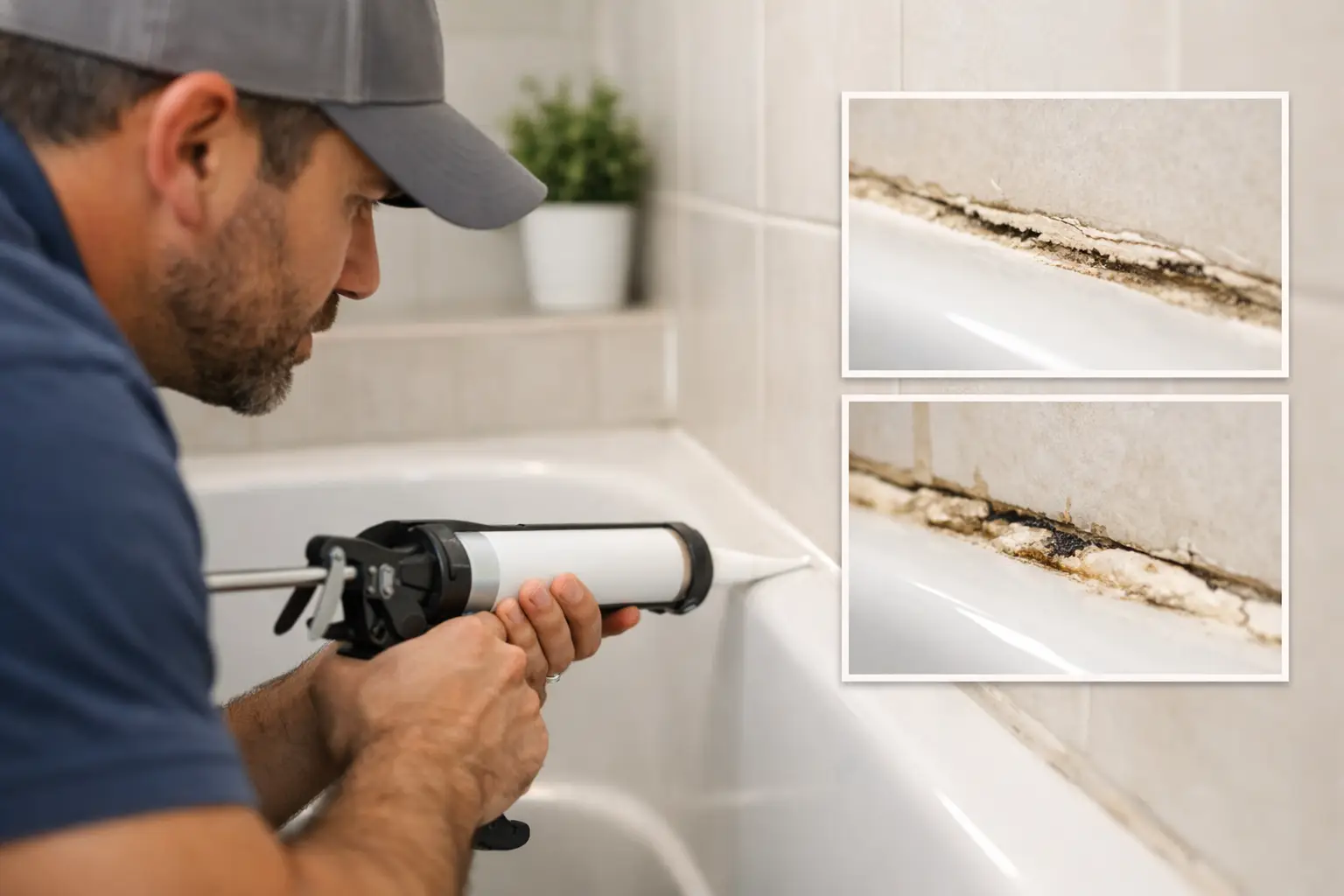
A thin line of caulk can prevent a surprisingly expensive problem. Around a shower, tub, window, or exterior trim, it keeps water out of gaps where it can damage drywall, framing, paint, and finishes. So, how long does caulking last? Most quality caulk lasts about five to 10 years, but the real answer depends on where it is installed, the type of caulk used, and how well the surface was prepared.
For Bay Area homeowners and property managers, moisture, fog, direct sun, temperature changes, and normal building movement can all shorten that timeline. The best approach is not to wait for a complete failure. Inspect caulk regularly and replace it when early warning signs appear.
How Long Does Caulking Last in Different Areas?
Caulk does not have one universal expiration date. A bead in a low-use interior gap can remain intact for a decade or more. A bead around a frequently used shower or a sun-exposed exterior window may need attention much sooner.
Bathroom and kitchen caulk commonly lasts five to 10 years when it is properly installed and kept reasonably clean and dry. The joint between a tub and wall, however, often has a shorter life because it is exposed to standing water, steam, cleaners, and movement every day. In a busy household, shower caulk may need replacement in as little as three to five years.
Exterior caulk around windows, doors, siding, and trim generally lasts five to 10 years, depending on product quality and exposure. South- and west-facing areas can wear faster under repeated UV exposure. Coastal fog and wind-driven rain can also expose weak joints that may have looked fine during dry weather.
High-quality silicone caulk can last 10 to 20 years in the right application. Acrylic latex caulk is easier to apply and paint, but it typically has a shorter service life, especially outdoors or in areas with frequent moisture. Polyurethane and hybrid sealants can be highly durable for exterior joints, though they require careful application and surface preparation.
What Determines How Long Caulking Lasts?
The product matters, but installation has just as much to do with whether caulk performs for years or fails within months. Caulk needs clean, dry, stable surfaces and a joint that is the right size for the material.
If old caulk, soap residue, loose paint, mildew, dust, or moisture remains in the gap, the new bead may not bond correctly. It can pull away from one side of the joint, leaving a hidden path for water. Applying caulk over failing caulk may look like a quick fix, but it rarely creates a dependable seal.
Movement is another major factor. Homes naturally expand and contract with temperature changes, and different materials move at different rates. A window frame, siding panel, tile wall, and bathtub can all shift slightly over time. Caulk needs enough flexibility to handle that movement without splitting.
The right product should match the job. Pure silicone is usually the preferred choice for wet bathroom joints because it remains flexible and resists water. Paintable acrylic latex products are often suitable for interior trim gaps with little movement. Exterior joints need a sealant rated for weather exposure and compatible with the surrounding materials.
Signs Your Caulk Needs Replacement
Caulk can fail gradually. Regular inspection around wet areas, windows, doors, and exterior trim helps catch problems before moisture reaches the materials behind the surface.
Look closely for these common signs:
- Cracks, splits, or a brittle, chalky texture
- Gaps where the caulk has pulled away from the wall, tub, window, or trim
- Dark mold or mildew that returns after cleaning
- Discoloration, staining, or persistent dampness near a joint
- Water leaks, peeling paint, swollen drywall, or soft wood around the sealed area
Not every dark mark means the entire caulk line has failed. Surface mildew can sometimes be cleaned if the bead is still firmly bonded and intact. But if discoloration is embedded in the caulk, if the bead is separating, or if water is getting behind it, replacement is the more reliable solution.
A window or door joint may also fail without an obvious interior leak. On the exterior, cracked sealant can allow rain into the wall assembly, where damage develops out of sight. Soft trim, bubbling paint, dry rot, or staining around a window are reasons to have the area evaluated rather than simply applying another bead of caulk.
Bathroom Caulk Requires the Closest Attention
The joint around a tub, shower base, shower door, sink, or backsplash is a water-management detail, not just a cosmetic finish. When it opens up, water can slip behind tile or into the wall cavity. Over time, that can lead to damaged drywall, loose tile, mold growth, and repairs that go far beyond recaulk work.
Check shower and tub caulk every few months, especially at the corners and along the horizontal joint where the wall meets the tub or shower pan. Those areas hold water longer and are more likely to separate as the fixture flexes under weight.
Avoid using harsh abrasive cleaners on caulk. They can wear down the surface and leave it more likely to crack. Running the bathroom fan during and after showers, wiping down wet surfaces, and addressing plumbing drips promptly will also help the seal last longer.
When replacing tub caulk, the tub should be clean and completely dry. Many professionals also fill the tub with water before caulking so the joint is sealed while the fixture is under normal load. That small detail can reduce the chance of the bead stretching and pulling apart later.
Exterior Caulk Protects More Than Curb Appeal
Exterior caulking is often overlooked until a paint problem or leak appears. Yet sealant around window trim, door frames, siding transitions, utility penetrations, and exterior joints plays a key role in protecting the building envelope.
Do not assume every exterior gap should be filled. Some siding systems, windows, and drainage details are designed with weep paths that must remain open so water can escape. Sealing those openings can trap moisture rather than stop it. This is one reason exterior caulking is worth handling carefully, particularly around replacement windows, siding, or areas with possible dry rot.
For exterior work, inspect caulk at least once a year and after severe weather. Early repair is generally simpler than waiting until trim is soft, paint is peeling, or water has reached the wall structure.
Can You Caulk Over Old Caulk?
In most cases, no. New caulk adheres best to clean, sound surfaces, not to an old bead that is loose, contaminated, or deteriorating. If the existing caulk is cracked or separating, remove it fully, clean the joint, let it dry, and apply the correct new product.
There are limited cases where a small touch-up may be acceptable, such as a tiny surface void in otherwise new, well-bonded caulk. Even then, the repair should be clean, dry, and compatible with the original sealant. A rushed patch can make a future replacement harder and conceal water damage that needs attention.
Large gaps may need backer rod before sealant is applied. Backer rod controls the depth of the caulk and helps it stretch properly as materials move. Without it, a deep joint can use too much product and create a weak, poorly shaped seal.
When to Call a Professional
Simple interior touch-ups can be manageable, but caulking should not be treated as a cosmetic task when water damage may be involved. Professional help is a smart choice when caulk failure is recurring, the joint is around tile or a shower enclosure, exterior trim feels soft, or there are stains, leaks, rot, or signs of movement around windows and doors.
A qualified repair professional can remove failed material, identify why the joint failed, select the appropriate sealant, and address damaged drywall, trim, tile, or siding before resealing. Fullhouse Remodeling & Handyman Services helps Bay Area property owners handle those related repairs without the hassle of coordinating separate trades for every small issue.
Fresh caulk should look clean, but its real job is to keep water where it belongs. If a joint is cracking, pulling away, or allowing moisture behind a finished surface, dealing with it now protects the larger investment in your home or property.
