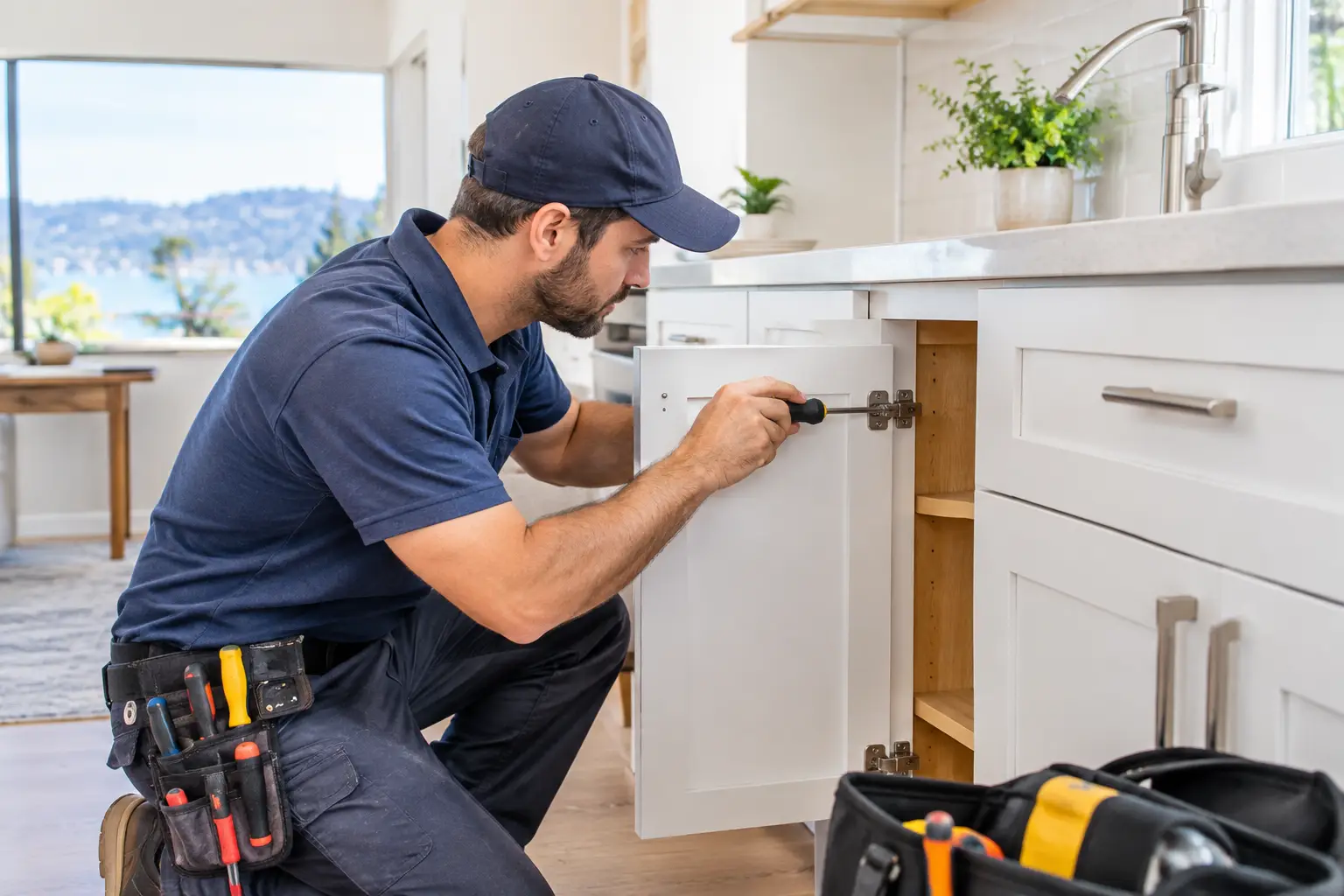
A loose door handle, damaged drywall, dripping fixture, or wobbly handrail can quickly become more than a minor annoyance. When homeowners search for top-rated small home repairs in San Bruno, they are usually looking for one thing: a dependable professional who can show up, diagnose the issue correctly, and finish the job without creating another item on the to-do list.
Small repairs deserve the same care as major renovations. A patch that does not blend with the wall, a door that still sticks after an adjustment, or a fixture installed without checking the surrounding connections can cost more time later. The right repair service brings practical experience, clear communication, and the ability to handle related issues before they grow.
What Top-Rated Small Home Repairs in San Bruno Should Include
A strong reputation is not just about arriving with tools. It comes from doing the basics consistently: respecting the appointment window, protecting the work area, explaining what needs to be done, and leaving the repair complete and clean. For busy homeowners, landlords, and property managers, those details make a real difference.
The best provider for a small repair should also be able to recognize when the work is not actually small. Water staining around a window may point to a failed seal or exterior damage. A soft baseboard can be a sign of moisture or dry rot. An outlet that stops working may require more than a replacement cover plate. Catching those conditions early helps protect the home and prevents a cosmetic fix from hiding a larger problem.
That is where a provider with both handyman responsiveness and contractor-level capability is valuable. You can schedule help for a straightforward repair while having access to more extensive repair or remodeling support if the project expands.
Small Repairs That Make a Noticeable Difference
Many of the most requested household repairs are not complicated on their own, but they require accurate measurements, the right materials, and a careful finish. Addressing them promptly keeps a home functional, safe, and easier to maintain.
Drywall holes, cracks, and water damage
Drywall repairs are common after moving furniture, updating wall-mounted equipment, fixing plumbing issues, or dealing with normal household wear. A quality repair involves more than filling a hole. The damaged area may need reinforcement, matching texture, sanding, priming, and painting so the patch does not stand out across the room.
Cracks deserve a closer look. Hairline cracks can result from ordinary seasonal movement, while wider or recurring cracks may need a more thorough assessment. Water-damaged drywall should not simply be covered. The source of moisture needs to be corrected first, then the affected materials can be repaired properly.
Doors, locks, and trim that no longer work smoothly
A bedroom door that rubs the frame or a front door that will not latch cleanly can disrupt daily routines and compromise security. Changes in humidity, settling, loose hinges, damaged jambs, and worn hardware can all affect how a door operates.
Small adjustments may solve the problem, but not every sticking door is an adjustment issue. If the frame has moisture damage, the threshold is worn, or the door itself is warped, a more complete repair may be the better long-term choice. Professional help can identify the cause before unnecessary hardware is replaced.
Trim repairs matter too. Loose baseboards, cracked crown molding, damaged casing, and gaps around windows can make an otherwise well-kept room look unfinished. Careful fastening, caulking, and paint touch-up restore a cleaner appearance without requiring a full room renovation.
Fixture, faucet, and plumbing-related repairs
A dripping faucet wastes water and creates a constant distraction. A loose toilet, slow drain, leaking supply line, or unstable vanity fixture can create larger damage if ignored. Small plumbing repairs often come down to identifying whether the issue is a worn component, loose connection, failed seal, or a condition hidden behind the wall or cabinet.
For visible, contained problems, a timely repair can prevent damage to flooring, drywall, and cabinetry. If a leak has been active for some time, the area should be checked for moisture damage before the repair is closed up. This is particularly important in bathrooms, kitchens, and laundry spaces, where small leaks can travel unnoticed.
Electrical and mounting tasks
Replacing damaged switches, repairing loose outlet covers, installing lighting, mounting TVs, and securing shelves are jobs that benefit from precise workmanship. A wall-mounted television must be fastened to appropriate structural support, with placement that works for viewing, cables, and nearby outlets. Heavy shelving, mirrors, and wall décor need the same attention.
Electrical work should never be treated as a trial-and-error task. If fixtures flicker, breakers trip, outlets feel warm, or there is any burning smell, stop using the affected area and have it evaluated. The appropriate approach depends on the condition of the wiring and the scope of the repair, not just the appearance of the device on the wall.
Exterior touch-ups and dry rot concerns
San Bruno homes can face wear from coastal air, moisture, sun exposure, and changing temperatures. Deteriorated caulking, peeling paint, damaged siding, and soft wood around windows, trim, decks, or doors should be addressed before water reaches deeper framing.
Dry rot repair is one area where a small visible issue can be misleading. A soft corner of trim may be limited to one board, or it may indicate water intrusion behind the siding. Replacing damaged material without correcting the moisture source only delays the same problem. An experienced repair professional can help determine whether a targeted repair is sufficient or whether a larger section needs attention.
When a Small Job Needs More Than a Quick Fix
Homeowners often try to keep repair requests simple, and that makes sense. But the most cost-effective solution is not always the fastest patch. If a repair involves repeated leaks, structural movement, electrical concerns, damaged exterior materials, or signs of mold or rot, the job may need a broader evaluation.
This does not mean every repair turns into a major project. It means the repair plan should fit the actual condition of the home. A trustworthy provider explains the difference clearly, presents practical options, and does not pressure you into work that the property does not need.
For rental properties and commercial spaces, this approach is especially useful. A tenant may report a loose cabinet hinge or damaged wall, while an inspection reveals additional wear that can be addressed in the same visit. Coordinating related repairs can reduce repeat scheduling and help keep the property ready for occupants.
How to Prepare for a Repair Visit
A little preparation helps a repair move faster. Take a few photos of the issue, especially if it changes over time or involves a leak. Note when the problem started, what seems to trigger it, and whether previous repairs have been attempted. If you have paint colors, replacement hardware, or matching materials on hand, mention that when requesting an estimate.
Clear access to the work area is helpful, but there is no need to diagnose the problem yourself. Describe what you see and let the professional determine the right repair method. This avoids ordering the wrong parts or choosing a temporary solution for an issue that needs a more durable fix.
Ask whether the scope includes preparation, materials, repair, cleanup, and finishing work such as caulking or paint touch-up. Clear expectations protect both the homeowner and the service provider, particularly when a repair uncovers hidden damage.
Dependable Help for Repairs That Cannot Wait
The value of a reliable local repair service is simple: you do not have to coordinate separate people for every loose hinge, wall repair, fixture installation, or moisture concern. Fullhouse Remodeling & Handyman Services helps homeowners, property managers, and businesses handle both quick repairs and larger follow-up work with straightforward communication and professional workmanship.
Do not wait for a small repair to become a damaged floor, a failed door lock, or a more involved water problem. A clear description, a timely inspection, and a properly completed repair can put your home back in order with far less disruption.
