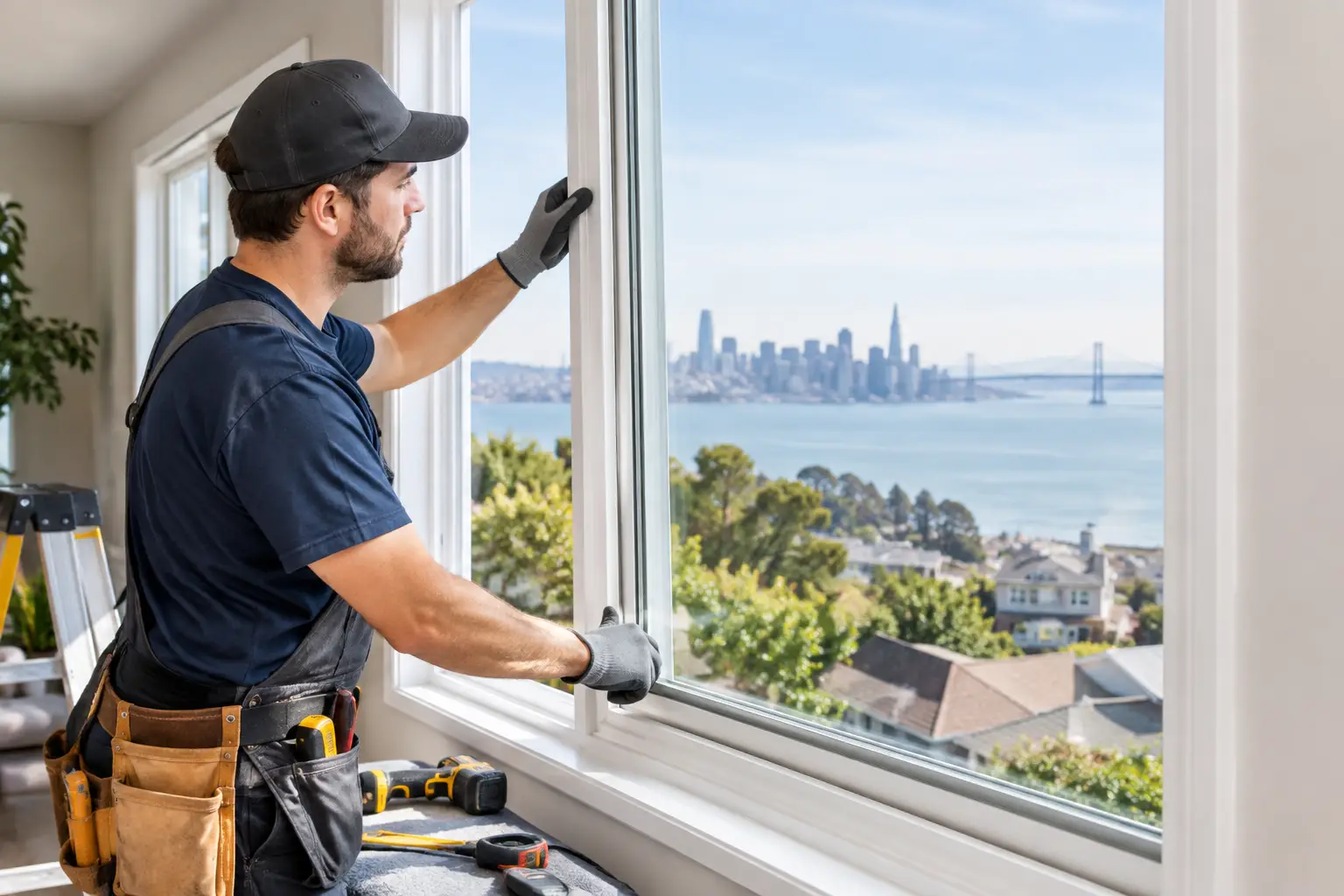
A fogged insulated-glass unit, a window that sticks, or a cold draft near the sofa is more than a minor annoyance. It can affect comfort, energy use, outside noise, and the condition of the surrounding wall. The best window replacement options depend on your home’s exposure, architecture, maintenance expectations, and whether the existing frames are still sound.
For Bay Area homeowners, the decision also needs to account for microclimates. Coastal moisture and salt air, hot inland afternoons, hillside wind, and street noise can change which material and glass package makes the most sense. A good replacement window should fit the house, operate smoothly, and be installed carefully enough to keep water where it belongs: outside.
Best Window Replacement Options by Frame Material
Window frames influence durability, upkeep, appearance, and long-term performance. There is no single best material for every property. The right choice comes down to where the window is located and what you need it to do.
Vinyl windows
Vinyl is a practical choice for many replacement projects because it is low-maintenance, resists moisture, and provides good insulating value. It does not need painting, which appeals to busy homeowners and landlords managing multiple units. Quality matters here. Better vinyl windows have stronger frames, reliable welded corners, and hardware that continues to work after years of daily use.
Vinyl may not be the ideal match for every historic or design-sensitive home. Its profile can look different from traditional painted wood, and color choices are more limited than with paintable materials. Still, for a straightforward, dependable upgrade in bedrooms, living areas, and rental properties, vinyl often delivers strong value.
Fiberglass windows
Fiberglass is a durable option with a stable frame that handles temperature changes well. It can offer a slimmer profile than vinyl, allowing more glass area and natural light. Many fiberglass products can also be painted, which gives homeowners more flexibility when exterior colors change.
This material is particularly worth considering for sunny elevations and large openings where frame strength matters. It generally requires little maintenance, but it may be a larger upfront investment than vinyl. For homeowners planning to stay in the property for years, that trade-off can be worthwhile.
Wood and wood-clad windows
Wood windows bring warmth, detail, and architectural character that other materials cannot always match. They are often the best visual fit for older homes, craftsman-style properties, and houses with existing painted or stained wood trim. Wood also performs well thermally when maintained properly.
The maintenance requirement is the main consideration. Exterior paint, caulking, and drainage details must be kept in good condition to prevent water intrusion and rot. Wood-clad windows pair a wood interior with a more weather-resistant exterior material, reducing some exterior upkeep while preserving the indoor appearance homeowners want.
Aluminum windows
Aluminum frames are strong, slim, and common in mid-century homes and certain commercial settings. They can be a sensible match when preserving the look of an existing property is important. Modern thermally improved aluminum products perform far better than older aluminum windows, which often transfer heat and cold readily.
In coastal locations, finish quality and corrosion resistance deserve close attention. Aluminum can be an excellent fit for large openings or contemporary architecture, but homeowners should confirm that the selected frame and glass package are appropriate for the exposure.
Choosing the Right Glass Package
The frame is only one part of the window. Glass selection has a major effect on comfort, glare, heat gain, and noise control.
Double-pane insulated glass is standard for most replacement work and is a meaningful improvement over old single-pane windows. For homes near busy streets, flight paths, schools, or active commercial areas, laminated glass or a sound-control glass package can reduce outside noise. It will not make a home silent, especially if walls, doors, and vents still leak sound, but it can make rooms noticeably more comfortable.
Low-emissivity, or Low-E, coatings help manage solar heat while allowing daylight into the room. The best coating depends on the direction the window faces. A sunny west-facing wall may benefit from stronger solar control, while a shaded north-facing room may prioritize visible light. This is why selecting the same glass for every window is not always the best approach.
If privacy is a concern, consider obscured glass for bathrooms and side-yard windows. For upper-floor rooms or homes with wide views, clear glass may be the priority. The right package should solve a real need, not add features that will never make a practical difference.
Replacement Inserts vs. Full-Frame Windows
This is one of the most important decisions in a window project. An insert replacement fits a new window into an existing frame. A full-frame replacement removes the existing frame and allows the installer to inspect and rebuild the opening as needed.
Insert windows can be a good option when the existing frame is square, solid, dry, and in good condition. They can reduce disruption to interior and exterior finishes. The trade-off is that the new unit may slightly reduce the visible glass area because it fits inside the original frame.
Full-frame replacement is often the better choice when there is dry rot, water staining, damaged trim, a poorly functioning old frame, or a desire to change the window size or style. It gives the installer access to the rough opening, flashing, and hidden conditions that can cause future problems. This approach may involve more finish work, but it is often the responsible solution when water damage is suspected.
A contractor should not recommend either method based on convenience alone. The existing opening needs to be evaluated first. A window that looks acceptable indoors can still have failed exterior caulking, deteriorated trim, or concealed moisture damage.
Match the Window Style to How You Use the Room
Style affects ventilation and daily operation as much as curb appeal. Double-hung windows suit traditional homes and allow ventilation from the top or bottom sash. Casement windows crank outward and can seal tightly when closed, making them a strong option where airflow and efficiency are priorities.
Sliding windows are easy to operate and work well in spaces where an outward-opening sash would interfere with a walkway, patio, or landscaping. Picture windows maximize views and light but do not open, so they are often paired with nearby operable windows. Awning windows are useful in bathrooms, kitchens, and rainy-side exposures because they can provide ventilation while shedding light rain.
Before selecting a style, think about furniture placement, cleaning access, emergency egress requirements in bedrooms, and how the window will be opened every day. A beautiful window that is hard to reach or awkward to operate will quickly become frustrating.
Installation Quality Protects the Entire Opening
Even an excellent window can fail if it is installed without proper preparation and weather protection. Accurate measurements, level and plumb placement, insulation around the frame, exterior flashing, and durable sealant work together to prevent drafts and water intrusion.
The surrounding trim deserves equal attention. Soft trim, peeling paint, or cracked caulk may signal an issue that should be repaired before the new window is finished. Covering damaged wood with new trim can hide the problem temporarily, but it does not correct the source of moisture.
For occupied homes, planning matters too. Ask how the work area will be protected, how debris will be handled, and whether interior or exterior finishes need repair after installation. Clear expectations help keep a window project orderly, especially in homes with children, pets, tenants, or active work schedules.
A Practical Way to Make the Final Choice
Start with the condition of the opening, then decide how long you expect to own the property and how much maintenance you are willing to take on. Next, choose a frame material that fits the home’s architecture and exposure. Finally, select glass and operating styles based on sunlight, noise, privacy, ventilation, and safety needs.
Avoid choosing solely by the lowest initial quote or by a showroom sample. Two windows can look similar while differing significantly in frame construction, hardware, glass, weather seals, and installation scope. A clear written proposal should identify what is being replaced, how water protection will be addressed, and what finish repairs are included.
For homeowners in the Bay Area, thoughtful window replacement is a practical improvement that can make rooms quieter, more comfortable, and easier to maintain. Fullhouse Remodeling & Handyman Services can help evaluate the opening, address related trim or dry rot concerns, and complete the work with the careful craftsmanship a lasting window upgrade requires.
