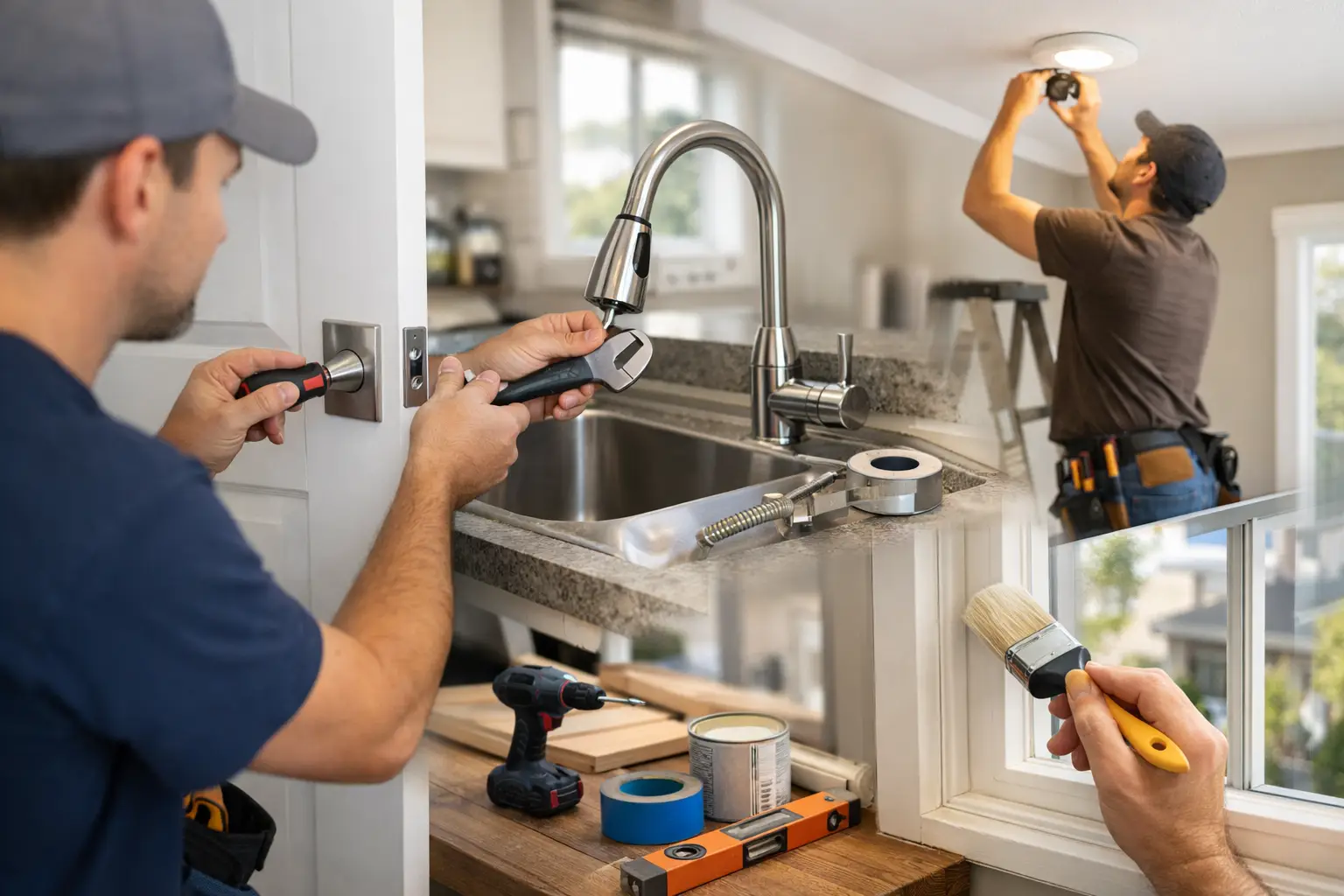
A dripping faucet, a loose handrail, or a soft spot near a window may look like a minor household annoyance. In a Millbrae home, however, small issues can become expensive damage when moisture, daily use, and delayed maintenance are involved. The best small home repairs in Millbrae are the ones that protect your home first, restore safety second, and keep everyday life from becoming more complicated than it needs to be.
For busy homeowners, the goal is not to repair every cosmetic imperfection the moment it appears. It is to recognize which jobs deserve prompt attention, which can be scheduled, and which require a contractor-level assessment rather than a quick patch.
Start With Repairs That Keep Water Out
Water is one of the fastest ways for a small repair to become a major project. A little discoloration on drywall, peeling paint around a window, or a cabinet floor that feels damp can point to an active leak or an older problem that has not been fully corrected.
A leaking sink trap, loose supply line, running toilet, or failing caulk around a tub should be repaired promptly. These jobs may be contained now, but repeated moisture can damage cabinets, flooring, drywall, and framing. In bathrooms and kitchens, it can also create conditions for mold growth behind surfaces where homeowners cannot easily see it.
Window and exterior door seals deserve the same attention. If rainwater enters around a frame, simply repainting the interior stain will not solve the problem. The source of the intrusion needs to be found, the damaged material needs to be evaluated, and the opening needs to be properly sealed. Depending on the condition of the frame and surrounding wall, the right fix may range from new caulking to drywall repair, trim work, or replacement of damaged components.
Dry Rot Is Not a Cosmetic Issue
Exterior trim, deck boards, siding edges, and areas near windows are common places for rot to begin. Wood that feels soft, flakes easily, or looks dark and swollen should not be ignored. Dry rot repair often starts as a targeted job, but the full scope depends on how far moisture has traveled.
A professional should remove compromised material, address the source of moisture, and rebuild the area with proper protection. Covering damaged wood with filler or paint may improve the appearance briefly, but it does not restore strength or stop the underlying problem.
Repair Safety Issues Before Convenience Upgrades
The next priority is anything that could cause a fall, electrical hazard, or security concern. These repairs make the home safer for children, guests, tenants, and everyone who uses the space every day.
Loose railings, wobbly stair treads, damaged deck boards, and doors that do not latch correctly should move to the top of the list. A railing may only need its fasteners tightened, but if the mounting area is weak or water-damaged, a more thorough repair is necessary. The same rule applies to a deck board that feels unstable. Replacing one board is sensible when the surrounding structure is sound. If several areas are soft or fasteners are failing across the deck, it is time for a closer inspection.
Electrical repairs also call for good judgment. Flickering lights, outlets that feel warm, switches that crackle, or breakers that trip repeatedly are not handyman shortcuts. These symptoms can indicate a wiring, connection, or circuit issue that should be addressed correctly. For simpler work, such as replacing a damaged cover plate or installing a properly selected fixture, professional installation can still save time and help ensure a clean, dependable result.
Door repairs are easy to postpone until they become urgent. A sticking front door, misaligned strike plate, or broken lock affects security and can worsen as hardware and framing shift. Adjusting hinges, repairing trim, replacing worn hardware, or correcting the alignment early is usually easier than waiting until the door will not close at all.
Best Small Home Repairs in Millbrae for Daily Wear
After water and safety concerns are handled, focus on the repairs that keep your house functional and presentable. These are often the jobs homeowners notice every day: cracked drywall, damaged baseboards, loose cabinet doors, holes from old wall mounts, and failing grout or caulk.
Drywall repair is a good example of a small job that benefits from skilled workmanship. A nail hole is simple, but a larger dent, recurring crack, or water-stained section requires more than spackle. The damaged area may need to be cut out, patched, taped, finished, textured, primed, and painted so it blends with the surrounding wall. If cracks keep returning, the repair should include a look at movement, moisture, or an improperly supported area.
Kitchen and bathroom touch-ups also produce an immediate improvement. Replacing worn caulk around a sink or shower, repairing loose tile, securing a cabinet hinge, or fixing a drawer that no longer tracks correctly can make a space feel cared for again. These are practical repairs, not just cosmetic ones. Failed caulk and loose tile can allow water behind finished surfaces, while cabinet problems can damage hinges and mounting points over time.
Painting is often the final step after a repair, not the repair itself. Paint can refresh scuffed walls and protect repaired surfaces, but it should not be used to hide peeling drywall, active leaks, or damaged siding. Proper surface preparation is what makes a paint repair last.
Know When a Small Job Needs a Larger Scope
One of the most useful decisions a homeowner can make is knowing when not to treat a problem as small. A visible symptom can sometimes be the only evidence of a bigger issue behind the wall, under the floor, or around an exterior opening.
For example, a bubbling wall may be a minor paint failure, but it could also signal moisture. A loose bathroom tile may need to be reset, or it may indicate a failing backer surface. A sagging gate could need new hardware, or the posts may be deteriorating. The right approach depends on the cause, not just the surface-level symptom.
This is where working with one provider that can handle both quick repairs and more involved construction work makes a real difference. Fullhouse Remodeling & Handyman Services can assess the issue in context, complete straightforward repairs efficiently, and identify when a broader repair is needed. That helps homeowners avoid the frustration of hiring one person to patch a problem and another to correct it later.
Build a Practical Repair List
A repair list works best when it is organized by urgency rather than room. Walk through the home every few months and make note of moisture signs, loose or damaged hardware, electrical concerns, cracks, and areas where finishes are failing. Take photos when something first appears. That makes it easier to tell whether a crack is stable, a stain is spreading, or a door is becoming harder to operate.
When scheduling work, grouping related small repairs can be more efficient than making separate appointments for each task. A visit might include drywall patching, door adjustment, cabinet hardware repair, caulk replacement, and TV mounting if those jobs are independent and clearly defined. On the other hand, do not combine unrelated work in a way that rushes an issue requiring careful diagnosis, especially when water damage or structural deterioration may be involved.
Clear communication matters as much as the repair itself. Explain when the problem started, whether it changes during rain or certain temperatures, and whether a previous repair was attempted. Good details help a professional arrive prepared and give you a more accurate recommendation.
A well-maintained home rarely stays that way by accident. Taking care of the small repairs that protect against moisture, improve safety, and restore daily function keeps your Millbrae property more comfortable now and better prepared for the years ahead.
