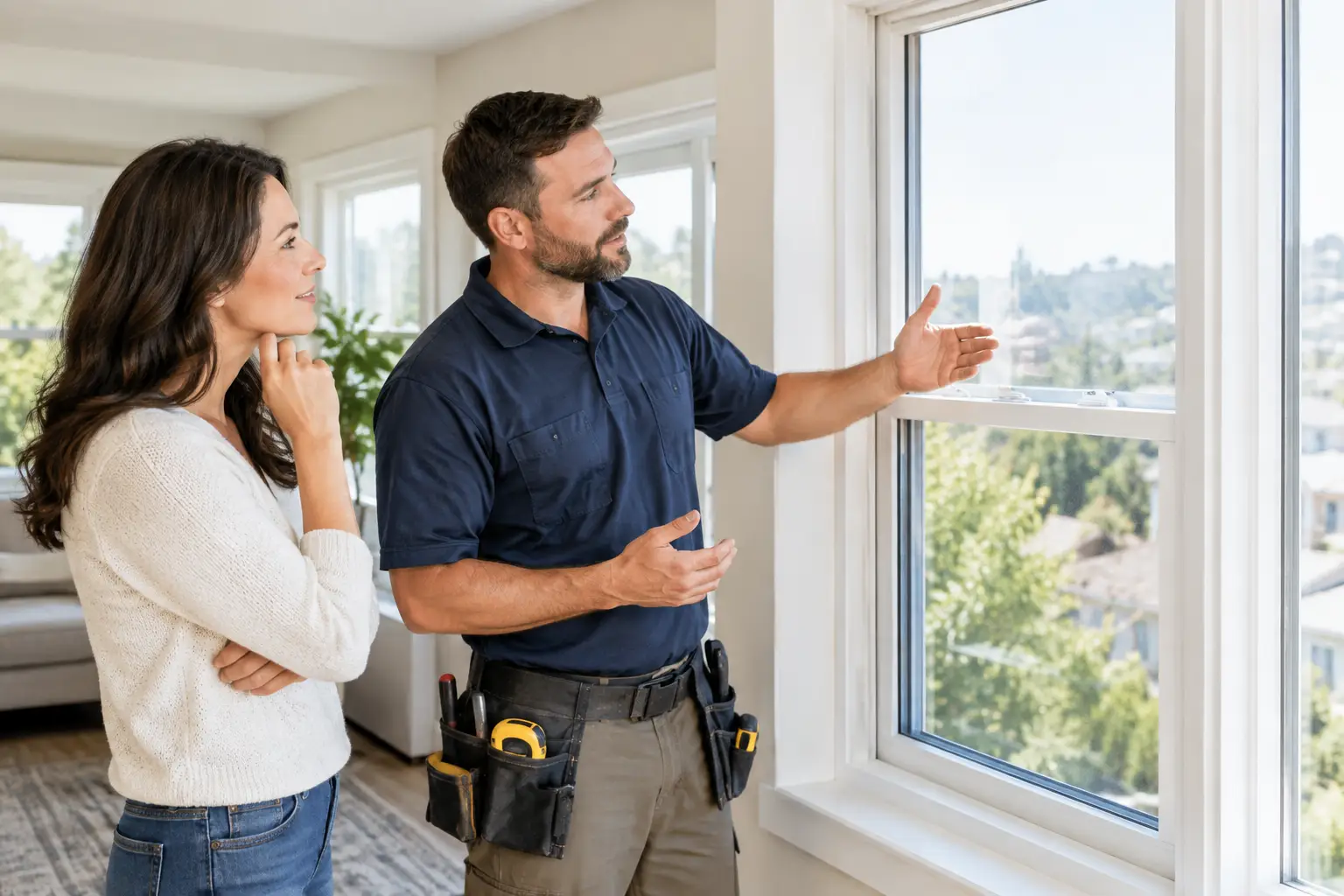
A replacement window can look great in a showroom and still be the wrong choice for your house. The best decision comes down to more than glass and frame color: it needs to suit your home’s openings, climate exposure, ventilation needs, energy goals, and installation conditions. If you are wondering how to choose replacement windows, start by treating the project as a home-performance upgrade, not just a cosmetic update.
For Bay Area homeowners, that means considering cool coastal air, fog, wind, sun exposure, older construction, and local permit requirements. A dependable window should improve comfort and appearance while protecting the wall around it from water intrusion.
Start With the Reason You Are Replacing Them
The symptoms behind your project should guide the product selection. Drafts, rattling panes, condensation between glass layers, peeling frames, difficult operation, and outside noise each point to different priorities. If your windows are hard to open, for example, choosing a style with better day-to-day operation may matter as much as improving insulation.
Replacement may also be part of a larger repair or remodel. Damaged trim, dry rot, deteriorated siding, or water stains near a window are not simply window problems. They can indicate that flashing, exterior cladding, or the wall opening needs attention before a new unit goes in. Installing a new window over hidden damage can create a clean-looking result that does not last.
Choose Between Insert and Full-Frame Replacement
This is one of the first technical decisions, and it affects both the scope of work and final performance.
An insert replacement, sometimes called a pocket window, fits within the existing frame. It can be a practical option when the original frame is sound, square, and free of water damage. Because less surrounding material is removed, it may preserve interior trim and reduce disruption.
A full-frame replacement removes the existing window and frame so the installer can inspect the rough opening, replace damaged wood, install proper flashing, and build the new window into the wall system. It is often the better choice when frames are deteriorated, the opening has leaked, you want to change window size or style, or exterior siding work is already planned.
Neither option is automatically better. An insert can be efficient for a well-maintained home, while a full-frame installation offers a more complete repair where conditions call for it. A professional site assessment should determine the approach, not a one-size-fits-all sales pitch.
Match the Frame Material to Your Home and Maintenance Expectations
Window frames influence insulation, maintenance, durability, sightlines, and cost. The right material depends on the architecture of the home and how much upkeep you are willing to take on.
Vinyl frames are a common choice for homeowners who want good thermal performance and low maintenance. They do not need painting, but color options and frame profiles can be more limited than other materials. Quality also varies, so look beyond the surface appearance and ask about reinforcement, drainage, and warranty coverage.
Fiberglass frames are stable and durable, making them well suited for areas with changing temperatures and strong sun exposure. They can offer slimmer profiles than some vinyl options and may be painted on certain products. Wood provides a traditional appearance that works especially well in older or character-rich homes, but it needs consistent protection from moisture and sun.
Aluminum frames can suit modern designs and provide narrow sightlines, yet they generally transfer more heat than well-designed vinyl, fiberglass, or wood frames. In a mild Bay Area climate, the right glazing and installation details can make a meaningful difference, but frame material should still support your comfort goals.
Select Glass for Comfort, Not Just Energy Labels
Most replacement windows use insulated glass units with two or more panes separated by a sealed space. The glass package is where you can address heat, glare, UV exposure, and outdoor noise.
Low-E coatings help manage heat transfer through the glass. The right coating depends on the window’s orientation. Large west- or south-facing windows may benefit from reduced solar heat gain, while a shaded side of the house may call for a different balance of visible light and insulation. A contractor should evaluate the room, not recommend the same glass package for every opening.
Look at U-factor and solar heat gain coefficient, but read them in context. A lower U-factor generally means better insulation. A lower solar heat gain coefficient reduces the amount of solar heat entering the home. For a sunny room that overheats in the afternoon, lower solar heat gain can improve comfort. For a naturally cool room, too much solar control may make the space feel dimmer or colder.
If street traffic, nearby activity, or airport noise is a concern, ask about laminated glass or glass combinations with different pane thicknesses. They can help reduce certain sound frequencies, though no window can make an active urban street completely silent.
Pick an Operating Style That Works in Real Life
A window must be easy to use for the people who live or work in the space. Think about furniture placement, cleaning access, airflow, and safety before choosing a style.
Double-hung windows fit many traditional homes and allow ventilation from the top or bottom sash. Sliding windows are straightforward and can work well where an outward-opening sash would interfere with a walkway or patio. Casement windows open outward on hinges and can provide strong ventilation, but they need clear exterior space. Awning windows hinge at the top, allowing fresh air during light rain when properly positioned.
Fixed picture windows bring in light and views but do not ventilate. They often work best when paired with operable windows nearby. In bedrooms, do not overlook emergency escape requirements. A replacement window must meet applicable egress rules when it serves as a required bedroom exit, and changing the opening size can involve permits and structural work.
Do Not Let Appearance Become an Afterthought
Windows should belong to the house. The grid pattern, frame thickness, exterior color, interior finish, and trim details can either support the architecture or make an otherwise solid project look out of place.
Before ordering, step outside and view the full elevation of the home. A single window may look fine on its own but feel mismatched when repeated across the front facade. This matters particularly on older homes, where proportions and trim profiles carry much of the home’s character.
If you are replacing only a few windows, compare the new units closely with the existing ones. Matching the visible glass area, frame color, and grid layout can be more important than selecting the newest-looking style. If a larger remodel includes siding, painting, or trim replacement, you have more flexibility to create a coordinated result.
The Installation Details Matter as Much as the Window
A high-quality window installed poorly can still leak air and water. The work should include careful measuring, preparation of the opening, shimming and fastening to manufacturer requirements, insulation around the frame, properly integrated flashing, and exterior sealing that allows water to drain rather than become trapped.
Ask who will inspect the opening once the old window is removed and what happens if rot or damaged framing is found. You should also understand how interior and exterior trim will be finished, whether paint touch-ups are included, and how the work area will be protected. Clear answers before work begins prevent surprises once walls and trim are opened.
For projects involving altered openings, structural changes, or extensive exterior work, permits may be required. Local rules can vary across San Francisco Peninsula communities, so a licensed contractor should identify the proper scope and coordinate the work accordingly.
Compare Proposals by Scope, Not by the Bottom Line
The lowest proposal is not always the lower-cost project over time. Compare the window brand and series, frame material, glass package, operating style, installation method, trim work, repairs, cleanup, warranty terms, and permit responsibilities. A vague estimate makes it difficult to know what is included and can leave room for avoidable change orders.
It is also reasonable to ask about lead times, work schedule, and how the crew will handle occupied rooms. Busy households, tenants, and office spaces need a plan that minimizes disruption. Reliable communication is part of a successful installation, especially when replacement windows are tied to siding repair, painting, or other renovation work.
Fullhouse Remodeling & Handyman Services can assess existing window conditions, identify related repair needs, and provide a clear scope for homeowners who want one local team to manage the work properly.
The right replacement windows should feel like a permanent improvement: rooms stay more comfortable, windows operate without a fight, and the exterior is protected from the next stretch of wind-driven rain. Choose the product after the opening, wall condition, and daily use have been evaluated, and you will be buying more than a new view.
