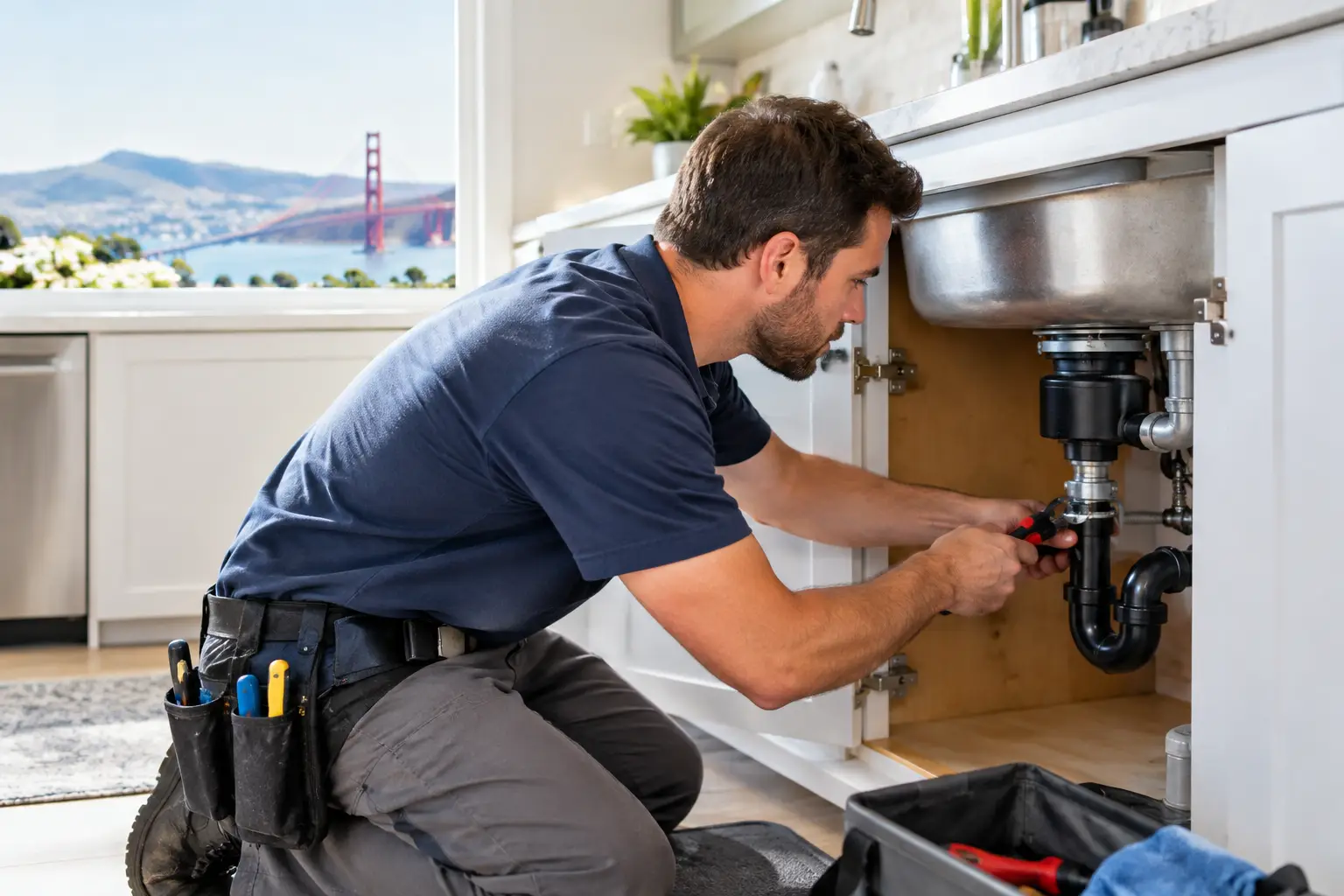
A slow drip under a bathroom sink can seem minor until it swells a cabinet base, damages flooring, or creates the kind of hidden moisture that is expensive to correct. This home plumbing maintenance guide focuses on the checks that help homeowners catch small problems early, keep water moving where it should, and make a smart call when a repair needs professional attention.
For Bay Area homes, routine plumbing care matters even more in older properties, where aging supply lines, worn shutoff valves, and original drain piping may be out of sight but still working every day. A few practical habits can reduce surprises without turning your weekend into a plumbing project.
Start With a Monthly Leak Check
Most damaging plumbing issues begin quietly. Once a month, take ten minutes to look under kitchen and bathroom sinks, around toilets, behind accessible appliances, and near the water heater. You are looking for active drips, corrosion, staining, warped materials, or a musty odor.
Run water at each faucet while checking the pipes below. Some leaks only appear when a drain is carrying water or when supply lines are under normal pressure. Pay attention to flexible supply hoses at toilets, sinks, and washing machines. A rusty connection, bulging hose, or persistent moisture is a reason to schedule a repair before it fails.
Your water meter can also help reveal a hidden leak. Turn off all fixtures and water-using appliances, then note the meter reading. If it continues to move after a short wait, water may be escaping somewhere in the system. That does not identify the exact source, but it is a useful signal to investigate promptly.
Test Toilets for Silent Leaks
A toilet that refills briefly at random intervals may have a worn flapper or fill valve. Silent leaks can waste substantial water over time without leaving a puddle on the floor.
Place a few drops of food coloring in the toilet tank and wait about 15 minutes without flushing. If color appears in the bowl, water is slipping past the flapper. Replacing a simple wear part may solve the issue, but cracked tanks, a loose toilet base, or water around the floor call for a professional assessment. A toilet that rocks can damage the wax seal underneath, allowing water to reach the subfloor.
Protect Drains Without Damaging Pipes
Drain maintenance is less about pouring harsh products down the sink and more about stopping the wrong material from entering the line. In kitchens, grease is the usual troublemaker. Even if it goes down warm and liquid, grease cools inside the pipes and collects food particles. Let cooking grease cool in a container and dispose of it in the trash instead.
Use sink strainers in kitchens, showers, and bathroom sinks. They catch food scraps, hair, and debris before those materials collect in a trap or branch line. Empty them regularly rather than waiting until drainage slows.
A bathroom sink or shower that drains slowly often has hair and soap buildup near the fixture. Remove and clean the stopper or strainer if it is accessible. For minor buildup, a plunger or a hand-operated drain snake may be appropriate. Work carefully, especially with older pipes, and avoid forcing a tool beyond its reach.
Chemical drain cleaners are a poor default. They can be ineffective against dense blockages, may damage some pipes and finishes, and create a safety hazard for anyone who later opens the drain. If a drain repeatedly clogs, multiple fixtures are backing up, or wastewater comes up through a tub or shower, stop using the affected fixtures and arrange professional service. Those symptoms can point to a deeper line problem rather than a simple surface clog.
Keep Fixtures Working Properly
Faucets, showerheads, and shutoff valves wear gradually. A dripping faucet may need a cartridge, washer, or other internal component, while weak flow can come from mineral buildup in an aerator or showerhead. Unscrew the aerator carefully, rinse away debris, and reinstall it without overtightening.
Low pressure at one fixture is different from low pressure throughout the house. One slow faucet is commonly a local fixture issue. Reduced pressure at several fixtures could relate to a pressure regulator, supply issue, or pipe condition. The right repair depends on the cause, which is why broad pressure changes deserve a qualified inspection.
Do not ignore stiff or seized shutoff valves beneath sinks and toilets. Those valves are supposed to isolate a fixture during a leak or replacement. If they cannot turn, they offer no protection when you need them most. Test accessible valves gently once or twice a year. If a valve resists, leaks at the stem, or will not fully shut off, do not force it.
Give the Water Heater Regular Attention
Your water heater works quietly until it does not. Look around it every few months for moisture, rust, corrosion, or water staining. Check that the area is clear of stored items and that there is no sign of leakage around connections or the base of the tank.
For tank-style water heaters, sediment can build up over time and reduce efficiency. Flushing can help in some situations, but it is not automatically a good DIY task. An older unit with a neglected maintenance history can develop problems when valves are operated or sediment is disturbed. Follow the manufacturer’s guidance, and have a professional handle the service if you are uncertain, the drain valve is corroded, or the heater already shows signs of age or leakage.
Never cap, block, or alter the temperature-and-pressure relief valve or its discharge pipe. This safety component needs clear, proper installation. If it drips, that can indicate an issue with the valve, water pressure, or the water heater itself.
Prepare Plumbing for Travel and Seasonal Changes
Before leaving home for several days, inspect visible plumbing, empty the dishwasher, and make sure no fixture is already draining slowly. If the home will be vacant for an extended period, consider shutting off the main water supply if doing so is appropriate for your property and any systems that require water. Know where the main shutoff valve is before an emergency, not during one.
While the Bay Area does not face the same prolonged freezes as colder regions, exposed piping in unheated garages, crawl spaces, or exterior areas can still be vulnerable during cold snaps. Insulate exposed pipes where needed and address drafts that affect plumbing areas. If you have an irrigation system, follow the maintenance steps appropriate to its design rather than assuming every system needs the same winter preparation.
Know When Maintenance Becomes a Repair Call
Homeowners can safely handle simple cleaning and visual checks, but plumbing problems become urgent when water is uncontrolled, sewage is involved, or the source is unclear. Turn off the nearest fixture valve or main supply if water is actively leaking, then seek help.
Call for professional plumbing service when you notice any of the following:
- Water stains on ceilings, walls, cabinets, or floors
- A sudden increase in water bills without an obvious reason
- Repeated drain clogs or backups affecting more than one fixture
- Sewage odors, gurgling drains, or wastewater returning through a fixture
- A water heater leak, rusty water, or inconsistent hot water
- Low pressure throughout the home or a pipe that appears corroded
It also makes sense to bring in a licensed professional before replacing supply lines, moving plumbing for a remodel, repairing concealed leaks, or working near electrical equipment. The quickest-looking fix is not always the most reliable one, especially in older homes where a visible problem may be connected to aging materials behind the wall.
Build a Simple Plumbing Routine
A practical home plumbing maintenance guide should fit real life. Check for leaks monthly, clean strainers weekly or as needed, test toilets and shutoff valves twice a year, and inspect the water heater several times a year. Keep a note of repairs, water heater age, and any recurring drain issues. That history helps identify patterns and gives a service professional useful information when work is needed.
Fullhouse Remodeling & Handyman Services helps homeowners address everyday plumbing repairs as well as the broader maintenance and remodeling work that often follows water damage or aging fixture issues. The goal is straightforward: fix the immediate problem correctly and help protect the rest of the home from the next one.
A dry cabinet, a freely draining sink, and a working shutoff valve are small wins, but they are the kind that protect your home when no one is thinking about plumbing.
