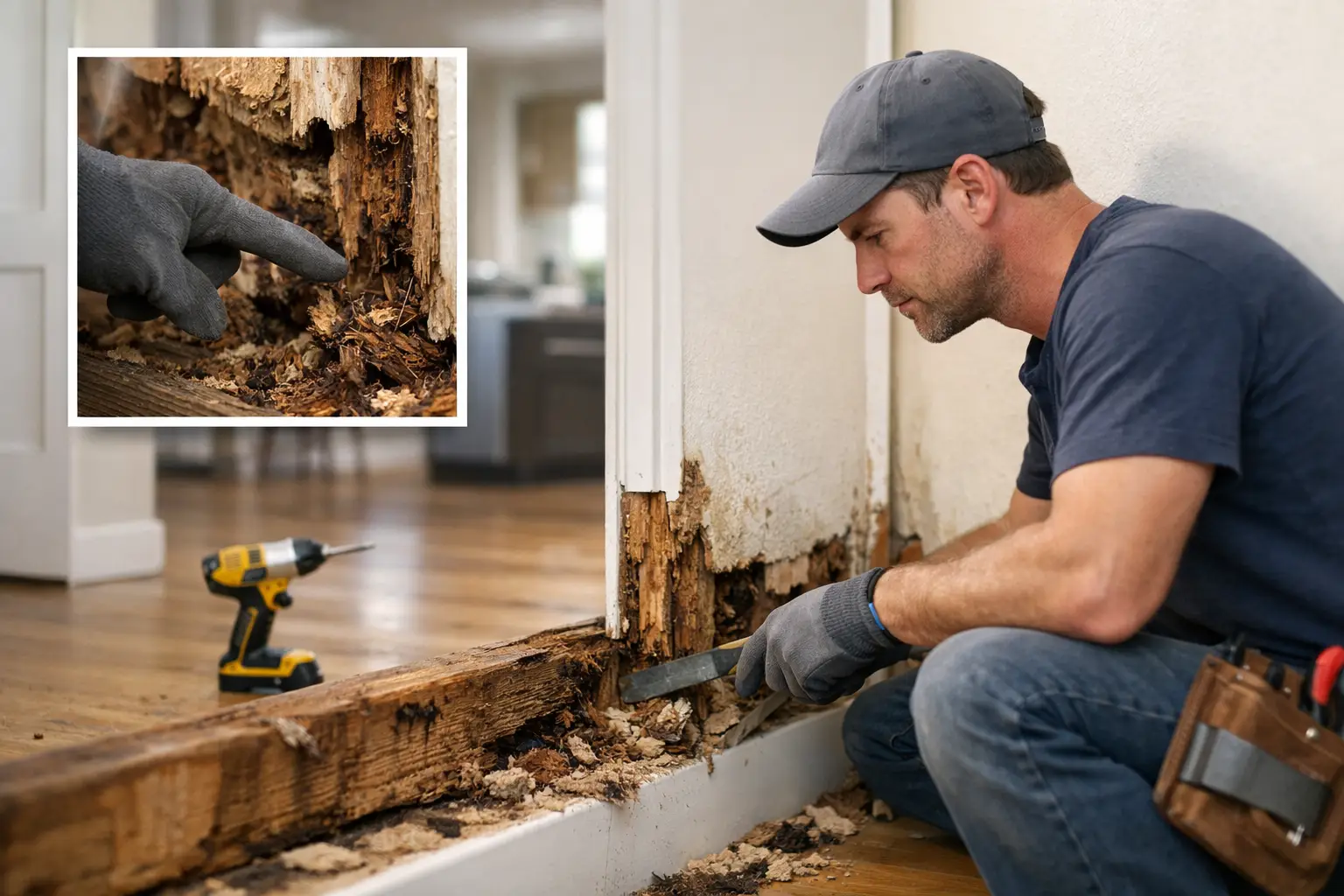
A porch step that feels soft underfoot, a window frame that flakes apart when touched, or siding that has started to bow is not a cosmetic nuisance. Those are signs that moisture may already be breaking down the wood behind the surface. Homeowners often ask, is dry rot repair urgent? In many cases, yes. The urgent part is not always completing every repair that same day. It is stopping the moisture source and making sure the damaged area is not creating a safety or structural risk.
Dry rot can spread quietly in places most people do not inspect often: behind siding, below showers, around windows, under decks, and along roof edges. A small visible patch may represent a larger problem behind the wall or beneath the finish material. Acting early gives you more repair options and can keep a targeted fix from becoming a major rebuilding project.
Is Dry Rot Repair Urgent? It Depends on the Location
Not every piece of decayed trim requires an emergency response. A small section of nonstructural exterior trim that is dry, stable, and protected from further rain may be scheduled promptly without shutting down your household. It still deserves attention, because rot does not repair itself, but it may not be an immediate danger.
The urgency increases when the damaged wood supports weight, protects the home from water intrusion, or sits near electrical and plumbing systems. In those cases, waiting can create a much larger issue than the original repair.
Treat dry rot as urgent when it affects deck framing, stairs, railings, balconies, porch supports, floor joists, subfloors, roof sheathing, or structural wall framing. These components hold people, furniture, roofing, and parts of the house itself. If they have lost strength, the concern is safety as much as appearance.
Rot around windows, exterior doors, siding, rooflines, chimneys, and bathroom fixtures also needs fast attention because it often means water has a path into the building. The visible wood damage may be limited, but ongoing leaks can affect insulation, drywall, framing, and nearby finishes.
Warning Signs That Should Move Repair Up Your List
Dry rot is not always obvious. Paint can hide early decay, and a surface may look acceptable until pressure exposes soft wood beneath it. Watch for changes that suggest the wood is losing strength or staying wet.
A screwdriver that sinks easily into a window sill, fascia board, deck post, or door frame is a clear warning. Cracked or peeling paint that returns soon after repainting can also point to moisture trapped behind the finish. Wood that looks darker than surrounding areas, feels spongy, crumbles at the edges, or has deep splits should be inspected.
Other signs are more indirect. Doors and windows may become difficult to open because swollen or deteriorated framing has shifted. Flooring can feel uneven or bouncy near an exterior wall, bathroom, or kitchen. A persistent musty smell, staining on ceilings or walls, loose tiles near a tub, and recurring caulk failure may all trace back to water damage in the materials below.
Do not ignore insect activity around damaged wood, either. Rot and pest damage are different problems, but softened, wet wood can attract wood-destroying insects and make their damage easier to miss.
Signs of an immediate safety concern
Keep people off a deck, balcony, stairway, or porch if it moves, sags, feels soft, or has visibly damaged support posts and connections. Avoid leaning on a loose railing. If rot is near an electrical outlet, fixture, or exposed wiring and there is evidence of an active leak, turn off power to that area if it is safe to do so and arrange professional help promptly.
A roof leak that is actively dripping, a ceiling that is bulging, or a wall that is visibly wet should also be addressed quickly. The first goal is to control the water. Repairing rotted wood while the leak continues only delays the same problem.
Why Waiting Can Make Dry Rot More Expensive
Wood decay requires moisture. If the material continues to get wet from failed flashing, damaged caulk, missing roof shingles, leaking plumbing, poor drainage, or a poorly sealed opening, the damaged area can grow well beyond what is visible.
For example, a rotted exterior window sill may begin as a small soft spot. Rainwater can then enter behind the trim, wet the sheathing and framing, and eventually damage interior drywall or insulation. By the time stains appear indoors, the repair may involve several layers of the wall instead of just the sill and trim.
The same pattern applies to decks. A surface board may be the first visible problem, but decay at the ledger board, joist ends, or post bases can compromise the framing beneath. Replacing only the top board may make the deck look better while leaving the real problem in place.
There is a trade-off here. A rushed repair that covers decay without finding the water source is not a good repair. But delaying inspection because the damage seems minor can allow moisture to keep working behind finished surfaces. The right response is a timely assessment followed by a repair plan that addresses both the damaged wood and the cause.
What a Proper Dry Rot Repair Should Include
A reliable dry rot repair is more than filling a soft spot with putty or applying fresh paint. Surface products can be useful for very limited cosmetic defects, but they cannot restore wood that has lost structural strength.
The repair process should begin by identifying where moisture is entering or collecting. That may involve checking roof edges, gutters, flashing, exterior caulk, siding transitions, window installation, plumbing connections, shower surrounds, or ground clearance around posts and trim.
Once the source is identified, deteriorated wood should be removed back to sound material. The affected framing or finish components can then be rebuilt with appropriate materials and properly fastened. The surrounding area needs to be sealed, flashed, caulked, primed, and painted or otherwise finished so water is directed away from the home.
In some cases, the repair is straightforward: replace a small section of fascia, trim, or siding and correct a failed caulk joint. In others, especially around decks, bathrooms, roofs, and load-bearing framing, the work may require opening up the area to confirm the full extent of the damage. That is why an on-site assessment matters. The visible spot does not always tell the full story.
What You Can Do Before the Repair Visit
You do not need to tear into the wall or deck yourself to take useful action. If rain is entering through an opening, protect the area from additional water where possible and safe. Move furniture away from wet walls or ceilings, place a container beneath active drips, and improve ventilation in damp rooms.
For exterior concerns, keep gutters and downspouts clear, make sure downspouts discharge away from the foundation, and avoid spraying water directly at suspect windows, doors, or siding. Do not cover a wet area with plastic for an extended period, as trapped moisture can make drying harder.
Take clear photos of the damage before moving or covering anything. Note when you first saw it, whether the area feels soft, and whether it changes after rain, showers, or plumbing use. These details help a contractor narrow down the likely moisture source.
Most importantly, do not test questionable decks, stairs, railings, or floors by putting more weight on them. If the area feels unsafe, restrict access until it has been inspected.
Dry Rot Repair for Bay Area Homes
Bay Area homes face a mix of conditions that can contribute to wood decay: winter rain, coastal moisture, fog, aging exterior finishes, and older construction details that may no longer shed water effectively. Properties in San Francisco, Daly City, Pacifica, and other exposed areas can be especially vulnerable around rooflines, decks, windows, and siding.
Regular exterior maintenance makes a real difference. Checking caulk, paint, flashing, gutters, deck connections, and window trim before the rainy season can catch small failures while they are still manageable. Landlords and property managers should also treat reports of soft flooring, leaking windows, or loose exterior elements as maintenance priorities, not just tenant inconveniences.
Fullhouse Remodeling & Handyman Services can inspect damaged areas, identify likely moisture entry points, and handle repairs ranging from exterior trim and siding to more involved structural wood replacement. A clear scope of work helps homeowners understand what needs immediate attention and what can be planned responsibly.
If you can see or feel wood deterioration, the best next step is to address it before the next stretch of rain or regular use turns a limited repair into a safety issue.
