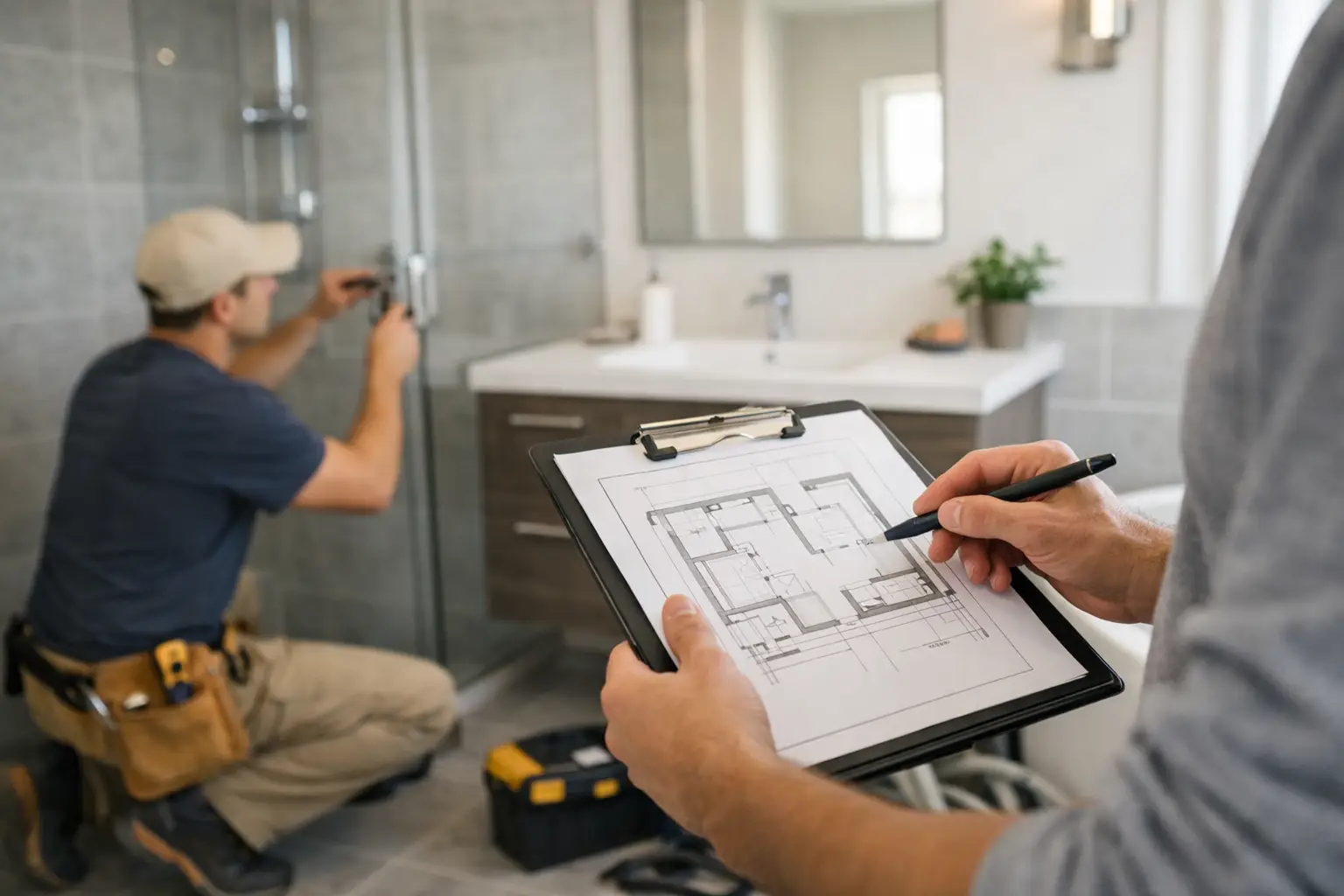
A bathroom can look simple on paper: new tile, a vanity, better lighting, and a shower that finally works the way it should. In a real home, however, the work often involves plumbing, electrical connections, waterproofing, ventilation, drywall, permits, and tight scheduling. That is why choosing bathroom remodeling contractors is less about finding the lowest quote and more about finding a capable professional who can manage the details without creating new problems behind the walls.
For Bay Area homeowners, landlords, and property managers, the right contractor brings order to a project that can otherwise become disruptive fast. A clear scope, qualified trades, dependable communication, and clean workmanship protect both the finished bathroom and the property around it.
What Bathroom Remodeling Contractors Should Handle
A qualified bathroom remodeler should look beyond the visible finishes. Tile and fixtures matter, but the performance of the room depends on the work underneath them. Water lines need to be placed correctly, drains need proper slope, electrical work must support lighting and exhaust fans, and shower areas need a continuous waterproofing system.
The contractor should be able to explain who is responsible for each part of the job and how the sequence will work. Demolition usually comes first, followed by any framing or dry rot repairs, rough plumbing and electrical work, inspections when required, wall preparation, waterproofing, tile, fixtures, paint, and final details. The exact order can vary, especially when a bathroom remains partly usable during the project, but a contractor should have a plan before materials start arriving.
This matters in older Bay Area homes, where opening a wall can reveal outdated plumbing, water damage, uneven framing, or electrical conditions that need correction. No contractor can promise that an existing concealed problem will never appear. A dependable one will explain how unexpected findings are documented, priced, and approved before additional work moves forward.
Start With the Scope, Not the Style
Before requesting estimates, decide what problem the remodel must solve. Is the bathroom cramped? Is there recurring moisture damage? Do you need a safer walk-in shower, more storage, improved ventilation, or an update before renting or selling the property? Your priorities shape the design and help contractors prepare comparable proposals.
A cosmetic update may include a new vanity, toilet, lighting, paint, and floor tile while leaving the existing layout intact. That can reduce construction time and avoid moving plumbing. A full remodel may involve relocating fixtures, rebuilding a shower, replacing damaged subflooring, upgrading electrical circuits, or changing the room layout. It offers more flexibility, but it also requires more coordination and has more opportunities for hidden conditions to affect the schedule.
Bring photos, rough room measurements, and a list of must-haves to the first walkthrough. You do not need to choose every finish before speaking with a contractor, but you should communicate whether you want practical rental-grade materials, a family-friendly daily-use bathroom, or higher-end finishes. A detailed conversation at the beginning prevents a vague quote that grows later because the contractor and homeowner had different assumptions.
Ask About the Work Behind the Tile
A shower can look finished and still fail if the waterproofing work is incomplete. Ask how the shower or tub surround will be prepared, where the waterproofing membrane will go, and how corners, niches, curbs, and plumbing penetrations will be handled. You do not need a technical lecture, but you should receive a clear, confident answer.
Ventilation deserves the same attention. A properly sized, correctly vented exhaust fan helps control moisture that can damage paint, drywall, cabinetry, and trim. If the bathroom has persistent condensation or mildew, replacing surface materials alone will not solve the underlying issue.
How to Compare Contractor Estimates Fairly
A low number is only useful when you know what it includes. One estimate may cover demolition, haul-away, permits, plumbing, electrical work, tile setting, fixture installation, and final cleanup. Another may appear lower because several of those items are excluded or described loosely.
Review the scope line by line. Look for clarity around demolition, wall repairs, waterproofing, plumbing changes, electrical work, ventilation, tile areas, fixture installation, paint, debris removal, and permit responsibility. If an item is not written down, ask about it before signing. Verbal assurances are harder to track once work begins.
Allowances also deserve attention. An allowance is a budget amount assigned to an item that has not been selected yet, such as tile, a vanity, or a faucet. Allowances are normal, but they should be realistic for the quality level you expect. If your chosen materials exceed the allowance, the project total will increase.
You should also understand the payment schedule and change-order process. Major remodeling work should have clear milestones tied to progress, not unclear requests made without documentation. When a legitimate change is needed, the contractor should describe the reason, cost impact, and schedule impact before proceeding whenever conditions allow.
Verify Credentials and Local Experience
Bathroom work crosses several trades, so qualifications matter. Confirm that the company is properly licensed for the scope of the project and carries appropriate insurance. Ask who will be on site, whether specialized plumbing and electrical work will be handled by qualified professionals, and who will serve as your day-to-day point of contact.
For projects in San Francisco, Oakland, Daly City, San Mateo, and nearby communities, local experience can be especially useful. Permit requirements, building conditions, access limitations, and condo or HOA rules can affect timing. A contractor familiar with occupied homes also knows that protecting floors, controlling dust, securing the work area, and maintaining reasonable site cleanliness are not optional details.
References and reviews can help, but read them for patterns rather than perfection. Look for comments about communication, punctuality, problem-solving, workmanship, and whether the contractor completed the agreed scope. A bathroom remodel has many moving parts. The best signal is often how a company handles the unexpected, not whether every project was perfectly simple.
Communication Is Part of the Craftsmanship
Homeowners often judge a remodel by the finished tile and fixtures. They also remember whether calls were returned, whether the crew arrived when expected, and whether they understood what would happen next. Good communication lowers stress because it gives you time to make decisions before a delay becomes unavoidable.
At the start, establish how updates will be shared and who can approve changes. Ask when materials need to be selected, when water may be shut off, and how long the bathroom will be unavailable. If it is your only full bathroom, discuss temporary-use options and the work sequence early. There may be ways to phase parts of the project, but it depends on the layout and the amount of plumbing work involved.
A professional contractor should also protect the rest of the home. Dust barriers, floor protection, careful material staging, and daily cleanup make a noticeable difference, particularly in occupied homes and multi-unit properties. These practices are not just about appearance. They reduce disruption and help prevent avoidable damage.
Avoid Decisions That Create Expensive Rework
The most common mistake is choosing a contractor based only on price. Another is buying fixtures before confirming rough-in dimensions, valve compatibility, clearance requirements, or delivery timing. A beautiful vanity that does not fit the plumbing location can create unnecessary change orders and delays.
Avoid making major layout changes after demolition unless a real site condition requires it. Changes are sometimes worth making, especially when they improve accessibility, storage, or long-term durability. But every late change can affect materials, labor, inspections, and scheduling. Make the big decisions early, then keep a written record of anything that changes.
It is also wise to keep a practical contingency in your overall plan. Older homes can hide damaged framing, corroded pipes, or previous work that does not meet current requirements. Planning for that possibility is not pessimistic. It is how you stay in control when the walls reveal more than expected.
Choose a Partner Who Can See the Whole Job
The best bathroom remodeling contractors combine detailed trade knowledge with responsible project management. They know that a shower is not just tile, a fan is not just a switch, and a finished room is only as reliable as the preparation behind it. They also respect your time, your home, and the decisions you need to make along the way.
Fullhouse Remodeling & Handyman Services helps Bay Area property owners handle bathroom projects with contractor-level capability and practical communication from the first walkthrough through the final details. Start by asking specific questions, comparing complete scopes, and choosing the team that gives you clear answers before the work begins.
