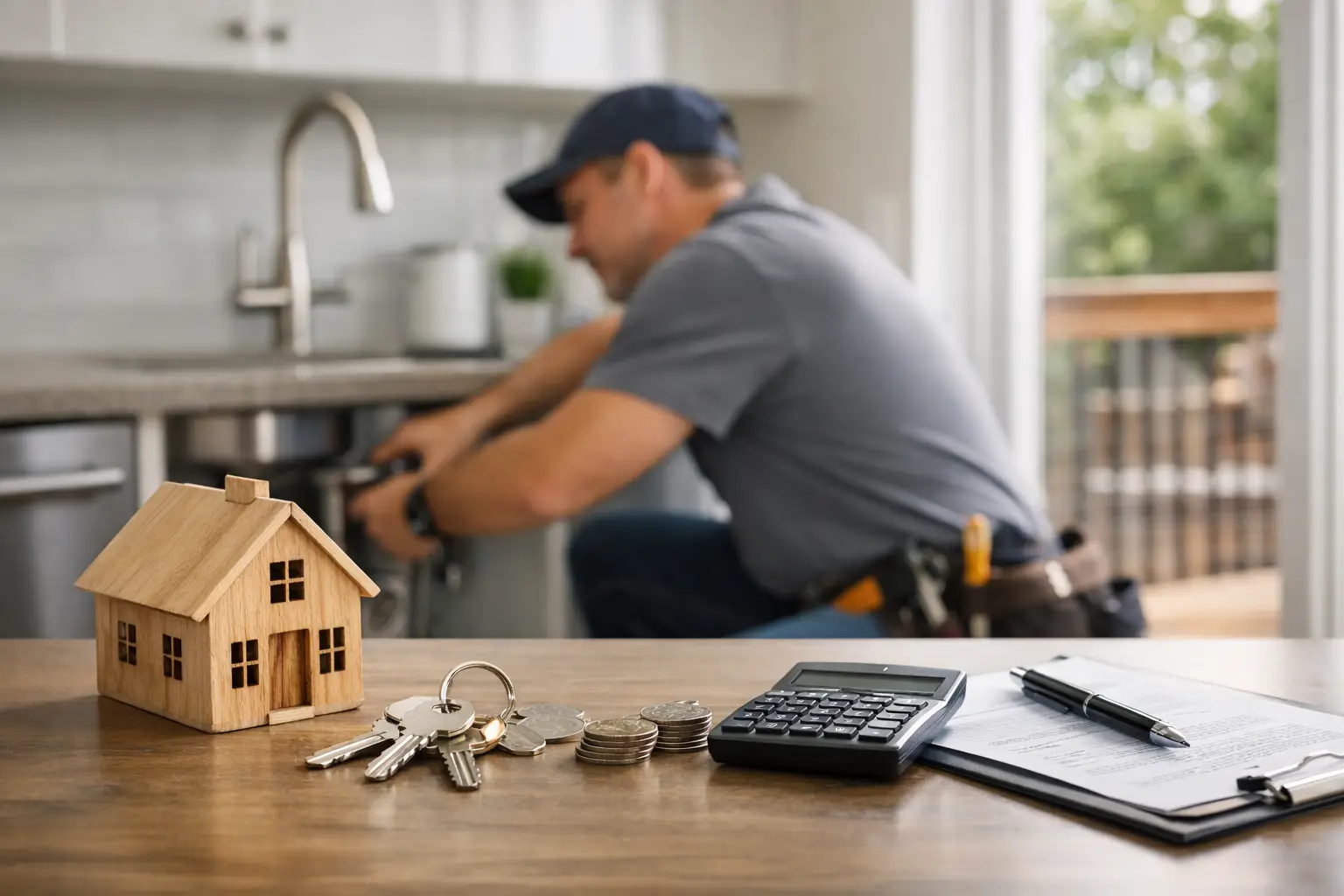
A leaking faucet on Monday can turn into cabinet damage by Friday, a tenant complaint by the weekend, and a vacancy risk by the end of the month. That is why property maintenance for landlords is not just a repair issue. It is an income-protection system that affects tenant retention, property value, and how often small problems become expensive ones.
For landlords, the real challenge is not deciding whether maintenance matters. It is building a process that keeps the property in good shape without eating up your time or creating avoidable costs. The right approach is practical, consistent, and fast when it needs to be.
Why property maintenance for landlords affects more than repair costs
A rental property has to do two jobs at once. It needs to stay safe and functional for the tenant, and it needs to remain financially productive for the owner. Maintenance sits in the middle of both.
When maintenance is delayed, the damage is rarely limited to the original issue. A loose exterior board can lead to water intrusion. A minor plumbing drip can stain drywall, damage flooring, and create mold concerns. An aging caulk line around a tub can quietly become rot behind the wall. Landlords who stay ahead of these issues usually spend less over time because they catch problems while they are still simple.
There is also the tenant side. Residents notice responsiveness. If a property feels neglected, even in small ways, tenants are more likely to move when the lease ends. On the other hand, a well-maintained home signals professionalism and makes it easier to keep good tenants longer. Lower turnover often matters just as much as lower repair bills.
The shift from reactive repairs to planned maintenance
Many landlords start in reaction mode. Something breaks, a tenant calls, and the repair gets handled. That works for emergencies, but it is not a strong long-term strategy.
Planned maintenance gives you more control. Instead of waiting for failures, you schedule inspections and routine upkeep around the systems and surfaces most likely to create bigger problems. That includes plumbing fixtures, doors and windows, electrical switches and outlets, exterior siding, paint, flooring transitions, caulking, decks, stairs, drywall, and appliances if they are owner-supplied.
This does not mean every property needs the same schedule. A single-family rental with older wood trim and exterior exposure will need different attention than a newer condo. A heavily used family rental may show wear faster than a quieter unit with one occupant. Good maintenance planning always depends on the age of the property, the materials used, weather exposure, and tenant use patterns.
What landlords should check regularly
The most effective maintenance plans focus on high-risk categories first. Water is at the top of that list because it causes damage quickly and often spreads beyond what is visible.
Bathrooms and kitchens deserve regular review. Look for slow drains, dripping supply lines, damaged grout, failed caulk, soft spots near tubs or sinks, and signs of moisture under cabinets. These are common sources of avoidable repair costs.
Doors and windows are another priority. If they do not close properly, leak air, or show frame deterioration, the issue can affect comfort, energy use, and security. In older properties, these components often create recurring service calls unless they are adjusted or replaced at the right time.
Electrical and lighting issues should also be handled early. A failing outlet, loose switch, or flickering fixture may seem minor, but tenants read these issues as signs that the property is not being cared for. The same goes for drywall damage, broken hardware, loose railings, worn flooring edges, and peeling paint in high-traffic areas.
Outside the unit, exterior maintenance can be even more important because exposure speeds up deterioration. Siding, trim, decks, steps, fencing, and exterior doors all need periodic review. In many Bay Area properties, moisture, sun exposure, and normal aging can wear down exterior materials faster than owners expect.
Seasonal timing matters more than most landlords think
A good maintenance plan works better when it follows the calendar. Seasonal timing helps landlords catch problems before weather or occupancy patterns make them worse.
In wetter months, roofline drainage, exterior seals, siding condition, and door thresholds deserve attention. Water entry is easier to prevent than repair. During warmer, drier periods, it makes more sense to handle painting, wood repairs, deck work, trim replacement, and other exterior projects that need favorable conditions.
Interior turnover periods are another key window. Between tenants, landlords should inspect walls, floors, fixtures, appliances, caulking, smoke and carbon monoxide devices, locks, and any visible plumbing or electrical wear. Turnover is the best time to do work efficiently because access is easier and there is no need to coordinate around an occupied home.
The real value of fast response
Speed matters in maintenance, but not every issue requires the same level of urgency. A good landlord distinguishes between emergency, time-sensitive, and routine work.
A plumbing leak, electrical concern, broken exterior door, or damaged stair tread needs quick action because safety or property damage is involved. Cosmetic drywall scuffs or minor hardware issues can usually be scheduled. The mistake is treating everything as routine until it becomes urgent.
Fast response protects your property, but it also shapes the tenant relationship. People are more patient with an issue when they can see that it is being addressed professionally. Delays without clear action usually create more frustration than the repair itself.
Why one reliable service partner often saves money
One of the most common landlord headaches is coordinating multiple trades for related issues. A water-damaged bathroom wall may involve plumbing, drywall, paint, and finish repair. Exterior deterioration may require carpentry, siding work, paint touch-up, and caulking. When each job is split across separate providers, timelines stretch and accountability gets blurry.
That is why many landlords prefer a service partner who can handle both small repairs and larger corrective work. It reduces scheduling friction, keeps communication simpler, and makes it easier to maintain standards across the property. For busy owners and property managers, this is often the difference between a maintenance system that works and one that constantly falls behind.
A company like Fullhouse Remodeling & Handyman Services can be useful in that role because landlords often need both handyman responsiveness and contractor-level capability, depending on the issue. Some jobs are straightforward same-week fixes. Others uncover hidden deterioration that needs a more experienced scope of work.
Documentation is part of property maintenance for landlords
Good maintenance is not just physical work. It also includes records. Landlords should document inspections, tenant reports, repair dates, and the scope of completed work. This helps with planning, budgeting, and identifying repeat issues that may point to a larger problem.
If the same sink backs up every few months, the issue may not be the fixture. If the same wall keeps staining, there may be a hidden leak rather than a paint problem. Documentation helps landlords stop treating symptoms and start fixing root causes.
It also makes future decisions easier. When you know which items were repaired, patched, or replaced, you can decide whether another repair is worth it or whether replacement is now the better investment.
Where landlords often underinvest
The most overlooked maintenance items are usually the least dramatic ones. Caulking, grout repair, small wood repairs, hardware tightening, weather sealing, and paint touch-ups rarely feel urgent. But these are often the jobs that preserve larger systems and finishes.
Landlords also tend to postpone exterior repairs because they are less visible during day-to-day tenant communication. That can be costly. Exterior neglect often leads to interior damage later, especially around windows, siding joints, trim, and decks.
Another common blind spot is wear that affects livability without counting as a major breakdown. A sticking door, damaged blinds, loose toilet handle, or failing garbage disposal may not seem serious from an owner perspective. For tenants, repeated small annoyances add up. These issues influence renewal decisions more than many landlords realize.
Building a maintenance plan that is realistic
A strong plan does not need to be complicated. It needs to be repeatable. Start with routine property reviews, prioritize water-related and safety-related issues, and schedule preventive work before seasonal shifts or tenant turnover. Use qualified help that can respond quickly and handle a wide range of repair types without forcing you to manage every moving piece.
It is also smart to separate maintenance into three buckets: immediate repairs, preventive upkeep, and improvement projects. That keeps you from treating everything like an emergency while still moving the property forward. Some work protects the asset. Some work reduces future calls. Some work improves rentability. All three matter, but they should not compete for the same decision-making lane.
The landlords who manage maintenance best are usually not the ones doing everything themselves. They are the ones with a dependable system, clear standards, and the discipline to address small issues before they grow teeth.
A rental property does not need constant attention, but it does need consistent attention. When maintenance is handled with speed, craftsmanship, and a plan, the property stays easier to manage, tenants stay more confident, and expensive surprises become a lot less common.
