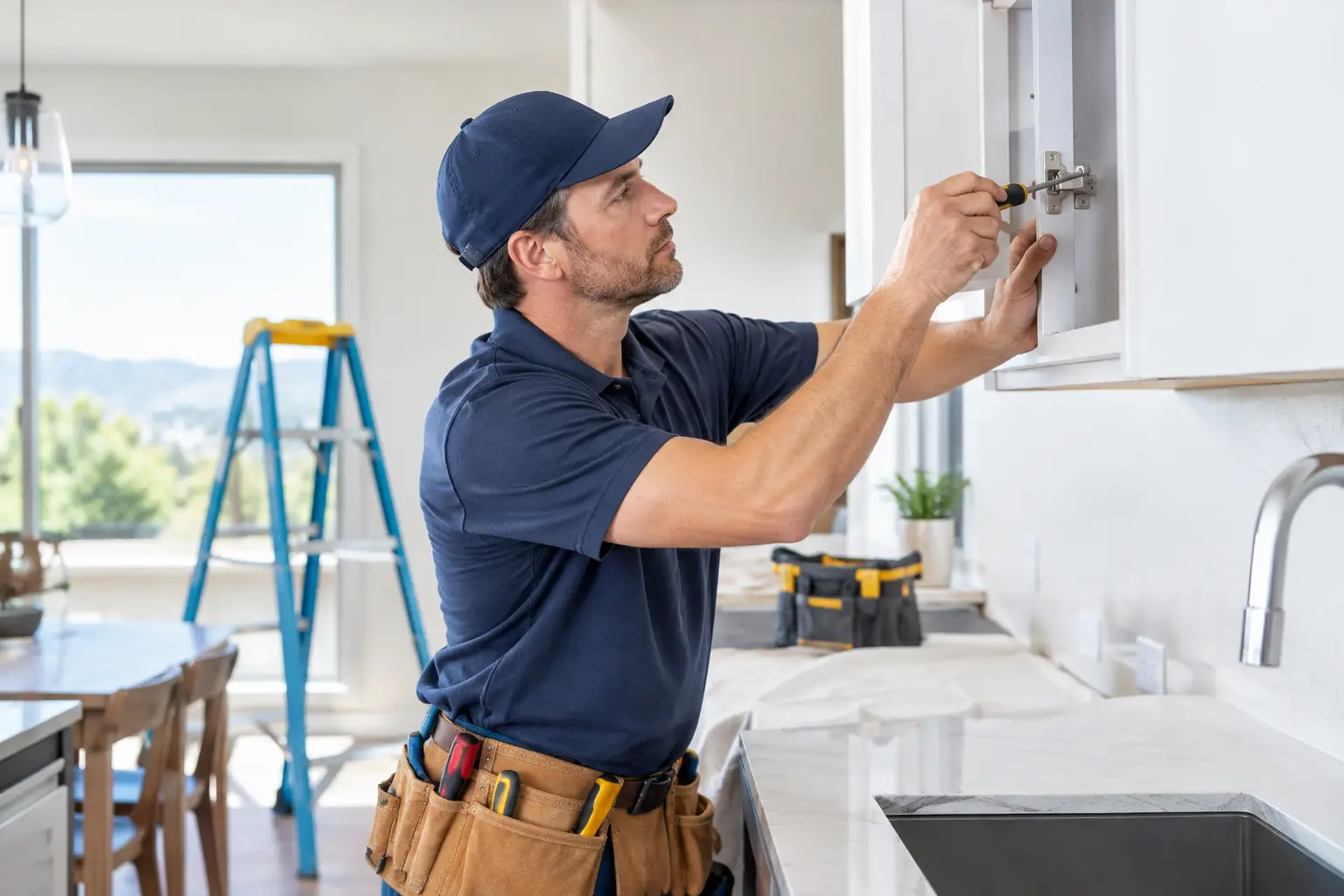
A loose cabinet hinge, a bathroom fan that no longer clears moisture, and a sticking front door may seem unrelated. In practice, these are among the leading odd jobs in East San Mateo because they affect how a home works every day. Small repairs rarely stay small when water, weather exposure, or repeated use is involved. Addressing them early protects the property and saves homeowners from juggling several specialists later.
For busy homeowners, landlords, and property managers, the question is not whether there is a task list. It is which task deserves attention first. The right answer depends on safety, the chance of property damage, and whether the problem interferes with daily life.
Leading Odd Jobs in East San Mateo Homes
East San Mateo homes range from older properties with aging finishes to newer homes that still need regular adjustments and maintenance. The most common requests tend to fall into a few practical categories: repairs caused by everyday wear, installations that improve function, and preventive work that helps avoid expensive damage.
Door repairs are high on the list. A door that drags, sticks, will not latch, or has a loose handle can be frustrating, but it can also become a security concern. Seasonal movement, worn hinges, loose hardware, and frame alignment can all contribute. A professional can determine whether the repair calls for a simple adjustment or whether the door, frame, or weatherstripping needs more attention.
Drywall repair is another frequent need. Small holes from moving furniture, dents near hallways, cracks around doors, and damage after a plumbing issue can make an otherwise well-kept space look neglected. Quality drywall work is more than filling a hole. It requires stable patching, careful sanding, texture matching when needed, and paint blending so the repair does not stand out across the room.
Homeowners also regularly need help with shelving, curtain rods, wall-mounted storage, mirrors, artwork, and furniture assembly. These jobs sound straightforward, but wall material matters. A heavy item mounted without the right anchors or studs can damage drywall or fall. Proper placement and secure installation make the difference between a finished room and a repeat repair.
Repairs That Should Move to the Top of the List
Not every odd job requires same-day attention. A scuffed baseboard can wait; an active leak should not. Prioritizing correctly is one of the easiest ways to use a handyman service efficiently.
Water-related problems deserve prompt action. A dripping fixture, loose toilet, damaged caulk around a tub, leaking supply connection, or stain on a ceiling can point to a larger issue behind the surface. Water can affect drywall, flooring, cabinetry, and framing before the visible damage becomes obvious. If moisture keeps returning after a simple cleanup, the source needs to be identified and repaired rather than covered up.
Electrical issues also belong at the top of the list. Flickering lights, outlets that do not work consistently, loose switches, damaged covers, or a ceiling fixture that needs replacement are not jobs to guess through. Electrical work should be handled with the right knowledge and care, particularly in older homes where wiring conditions may vary.
Exterior maintenance can be just as urgent. Loose siding, deteriorated trim, soft wood, gaps around windows, and damaged deck components give moisture a way into the home. What begins as a small exterior repair can become dry rot repair, framing work, or replacement of surrounding materials if it is ignored for too long.
Small Upgrades That Improve Daily Living
Many odd jobs are not emergencies. They are improvements that make a home easier, safer, and more comfortable to use. These projects are especially useful before a move, after a remodel, or when preparing a property for new tenants.
Bathroom updates often begin with practical details: replacing a worn exhaust fan, repairing a vanity door, resealing tile edges, installing new fixtures, or correcting a loose towel bar. Good ventilation and intact caulking matter because bathrooms face constant moisture. A clean-looking finish is valuable, but preventing water from getting behind walls or under flooring is the bigger goal.
In kitchens, common handyman requests include cabinet hardware repairs, faucet replacement, backsplash touch-ups, drawer adjustments, and appliance-area improvements. If cabinets no longer close properly or a sink fixture is leaking, fixing the issue early helps preserve the surrounding finish materials. For larger kitchen changes involving layout, plumbing, electrical, or structural work, homeowners should use a provider with general contractor capability rather than treating the project as a series of disconnected small jobs.
TV mounting is another popular request, particularly in living rooms, bedrooms, offices, and rental properties. The best installation considers wall structure, viewing height, cable routing, and the weight of the television. A clean result should look intentional and remain securely supported long after installation day.
When an Odd Job Is Actually a Bigger Project
The line between a handyman repair and a remodeling project is not always obvious. A damaged baseboard may be a simple replacement. However, if the wall behind it is soft, the real problem may be hidden moisture. A cracked tile may be cosmetic, or it may indicate movement in the subfloor. A sticking window may need adjustment, but widespread failure around multiple windows may point to aging components or exterior water intrusion.
This is where broad experience matters. Homeowners should not feel pressured to diagnose every issue before requesting help. A capable professional can assess the visible symptom, explain the likely cause, and recommend the appropriate scope of work. Sometimes the right answer is a quick repair. Other times, a more complete repair prevents the same issue from returning in a few months.
Licensed contractor-level capability is especially valuable when a job involves structural concerns, plumbing, electrical work, extensive dry rot, deck repairs, or a coordinated remodel. It gives property owners one accountable team instead of several separate appointments and unclear responsibility between trades.
How to Prepare for a Handyman Visit
A little preparation helps a repair visit move faster. Take a few photos of the problem before the appointment, especially if it appears only at certain times or after rain. Make a short list of related tasks in the same area of the home. For example, a visit to repair a bathroom vanity could also be a good time to address loose fixtures, damaged caulk, or a noisy fan.
Clear a reasonable work area when possible and let the technician know about parking, building access, pets, or any time restrictions. If the work involves a tenant-occupied unit or office, confirm who can approve decisions on site. These details reduce delays and help ensure the work is completed correctly the first time.
It also helps to be clear about the result you want. If you are replacing a fixture or hardware, confirm whether you have already selected the material or need help determining what will fit and function properly. Transparent communication is often the difference between a quick patch and a repair that genuinely solves the problem.
Choose Help That Can Handle the Next Step
The best handyman service is not simply the one that can tighten a screw. It is the one that can recognize when a loose screw is part of a larger condition and has the capability to address it responsibly. That matters in homes where a small repair can uncover water damage, worn materials, or an installation that was never properly secured.
Fullhouse Remodeling & Handyman Services helps East San Mateo property owners handle both quick repairs and larger improvement needs with clear communication, skilled workmanship, and practical recommendations. Whether the job is a door adjustment, drywall patch, fixture installation, or a repair that needs a broader assessment, reliable work starts with looking beyond the surface.
A well-maintained home is built one completed task at a time. Start with the repair that affects safety, water control, or daily function, then use the same visit to take care of the smaller items that have been waiting too long.
