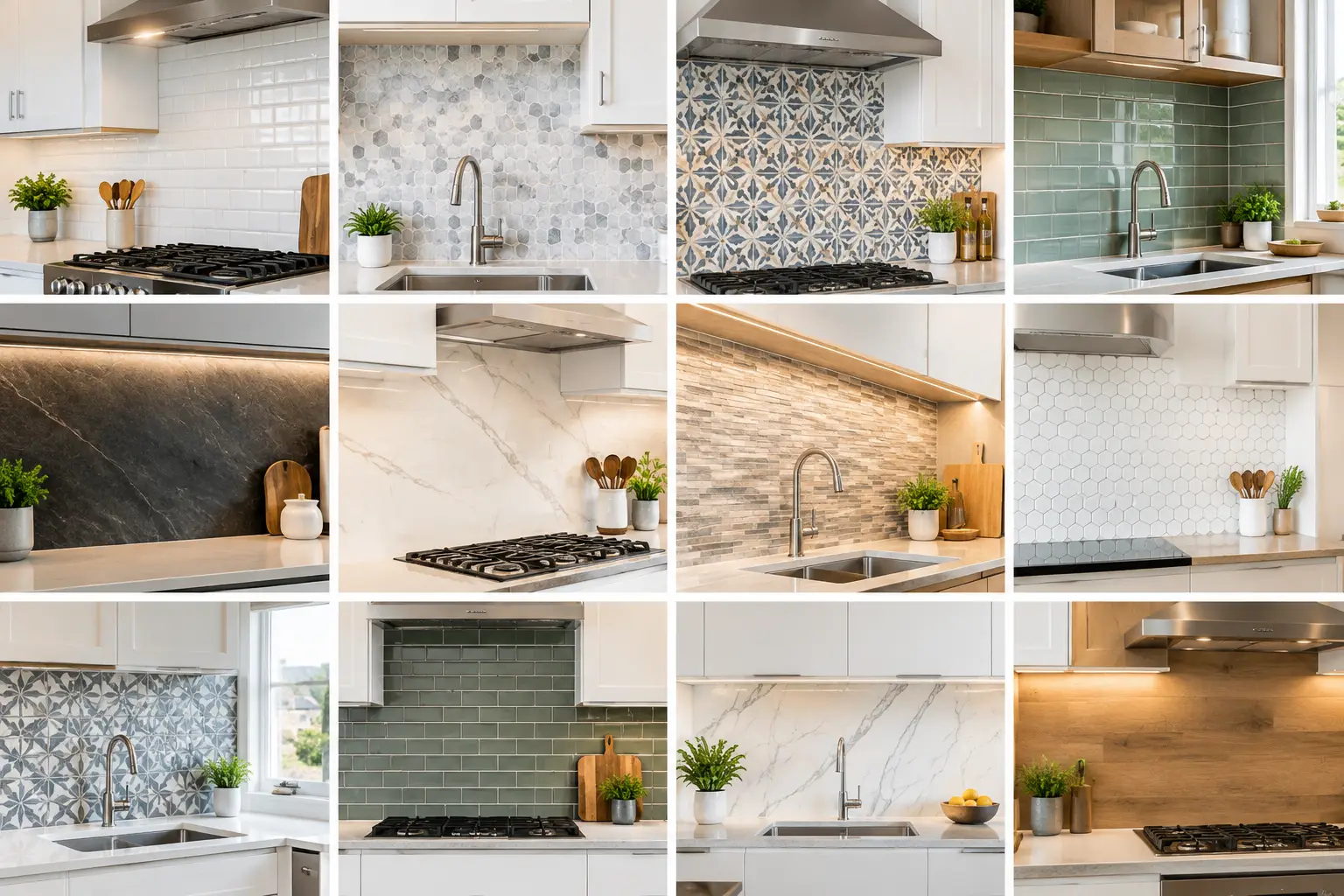
A backsplash is a small surface with an oversized impact. It sits at eye level, frames the range and sink, and takes the daily abuse of cooking splatters, moisture, and cleaning. The best kitchen backsplash ideas balance that visual impact with the practical realities of how your household uses the kitchen.
For Bay Area homeowners, the right choice also depends on the home itself. A compact San Francisco kitchen may benefit from light-reflecting tile and fewer grout lines, while a larger Peninsula kitchen can support a dramatic slab or handmade tile feature. Before selecting a material, consider your cabinet color, countertop pattern, lighting, cooking habits, and how much maintenance you are willing to take on.
Start With the Surfaces That Stay
Backsplashes should not be chosen in isolation. Countertops, cabinets, hardware, and wall color all influence whether a tile feels intentional or out of place. If your countertop has active veining, movement, or several colors, a quieter backsplash usually creates the better result. If the countertop is simple quartz or a solid surface, the backsplash can carry more texture, color, or pattern.
Material performance matters just as much as appearance. Areas behind a range need a heat- and moisture-resistant finish that can be cleaned without special treatment. Behind a sink, proper surface preparation, a quality grout, and sealed edges help prevent water from working behind the installation. A beautiful tile installation starts with a flat, sound wall and careful layout, not just a good tile selection.
Best Kitchen Backsplash Ideas by Style and Maintenance
1. Classic white subway tile
White subway tile remains a smart choice because it works with nearly every kitchen style, from older homes to modern renovations. It brightens a darker room, costs less than many specialty materials, and is easy to replace if a tile is ever damaged.
The details keep it from looking generic. A vertical stack, herringbone layout, handmade-look finish, or soft warm-white color can make the design feel more current. White grout creates a clean, continuous field, while medium-gray grout gives the tile more definition but will need routine cleaning near the stove.
2. Large-format porcelain tile
Large-format porcelain offers a calm, contemporary look with fewer grout joints. It can mimic marble, limestone, concrete, or plaster while offering better stain and moisture resistance than many natural materials. This makes it a strong option for busy households and rental properties where easy upkeep is a priority.
Installation requires precision. Large tiles show wall irregularities and can be difficult to cut around outlets, windows, and cabinetry. A professional installer can assess wall conditions, plan narrow cuts, and place seams where they look deliberate rather than accidental.
3. Full-height quartz backsplash
Running the countertop material up the wall creates a clean, high-end finish. A full-height quartz backsplash is especially effective with veined quartz countertops because the pattern continues naturally behind the range and along the work areas. There is no grout to scrub, which is a major advantage for people who cook often.
This option is typically best for homeowners who want a restrained, polished kitchen rather than a decorative tile moment. The trade-off is that it may feel too uniform if cabinets, countertops, and flooring are all neutral. Adding warm wood, distinctive hardware, or layered lighting can prevent the room from feeling flat.
4. Marble slab or marble-look porcelain
Natural marble has depth that manufactured materials cannot fully duplicate. It can make a simple kitchen feel refined, particularly when paired with painted cabinets and warm metal fixtures. However, marble is porous and requires sealing, and acidic splatters can etch its surface over time.
For a similar appearance with lower maintenance, marble-look porcelain is often the more practical choice. It is less sensitive to daily cooking, though the grout lines remain a cleaning consideration. This is a good example of where the best material depends on how you live, not just what looks good in a showroom.
5. Zellige-style tile
Zellige-style tile brings handcrafted variation, gentle sheen, and texture to a kitchen. Slight shifts in color, size, and surface reflect light beautifully and soften the clean lines of modern cabinetry. It works especially well in homes that need warmth without adding a bold pattern.
Expect variation. That is part of the appeal, but it means samples may not show the exact finished look. A dry layout before installation helps distribute color changes naturally. Because the edges and faces are intentionally irregular, grout selection and installation technique have a major effect on the final result.
6. Vertical stacked tile
Vertical tile is one of the easiest ways to give a familiar material a fresher look. The upward orientation can make a low ceiling feel taller, and narrow rectangular tiles work well in galley kitchens or compact cooking areas. Choose a single color for a streamlined finish or a subtle tonal variation for added depth.
This layout needs careful alignment. Even small inconsistencies become noticeable in long vertical lines, especially around a hood or open shelving. It is worth having the layout centered on key focal points before setting the first tile.
7. Herringbone tile behind the range
A herringbone inset behind the range gives a kitchen a clear focal point without covering every wall in a busy pattern. Use the same field tile around the rest of the kitchen and reserve the pattern for the cooking zone. The result feels custom while keeping the overall design controlled.
This is more labor-intensive than a straight lay because it involves extra cuts and a more detailed layout. It is usually most successful when the surrounding materials are simple and the range wall has enough visual space to show the pattern.
8. Penny round mosaic
Penny rounds bring texture and a bit of vintage character, but they can look modern in a matte finish or a limited color palette. Their small scale makes them useful for curved walls, narrow backsplash areas, and detailed sections around windows.
The practical drawback is grout. More joints mean more cleaning, particularly behind a gas range. Choosing a stain-resistant grout and avoiding very light grout colors can make the surface easier to maintain without losing the look.
9. Geometric cement-look tile
A patterned geometric backsplash can become the centerpiece of a white or wood-toned kitchen. It is a strong choice when the cabinets and counters are simple, and it can add personality to a kitchen that otherwise feels overly builder-grade.
Keep the pattern in proportion to the room. Large, high-contrast designs can overwhelm a small kitchen or compete with heavily veined countertops. Porcelain versions generally offer simpler care than traditional cement tile, which may require sealing and more careful cleaning.
10. Natural stone tile
Stone tile adds natural texture and pairs well with warm cabinetry, traditional homes, and transitional kitchen designs. Tumbled stone, honed travertine, and slate can create a grounded look that does not feel overly polished.
Stone needs more attention than porcelain or glazed ceramic. It can absorb oil and food stains if not sealed correctly, and uneven surfaces may collect grease near the range. It is usually better suited to homeowners who appreciate patina and are comfortable with regular maintenance.
11. Glass tile for light and color
Glass tile reflects light, making it useful in kitchens with limited daylight. It is available in soft neutrals, saturated colors, and translucent finishes that create depth on the wall. A pale blue-gray or sea-glass green can add color without making the kitchen feel dark.
Glass can show adhesive and irregular wall conditions, so the installation method matters. It also needs clean, accurate cuts around outlets. For the best result, use it as a deliberate feature rather than trying to force it into a design with several competing finishes.
12. Stainless steel behind the range
A stainless steel backsplash behind the range is practical, durable, and easy to wipe down. It coordinates naturally with stainless appliances and works particularly well in industrial, contemporary, and hardworking family kitchens. It can be used as a focused range-wall panel while tile continues on adjacent walls.
It will show fingerprints and may scratch over time, but many homeowners find that acceptable for the durability it provides. A brushed finish is more forgiving than a mirror-like surface.
Details That Make a Backsplash Look Professionally Finished
The right tile can still look unfinished if the details are rushed. Plan outlet placement early, especially if you are changing cabinet layouts or adding a range hood. Outlet covers should sit flush, cuts should be balanced at the ends of a run, and the tile layout should be centered on visually important areas whenever possible.
Grout is not an afterthought. A close color match creates a quieter wall, while contrast highlights the tile shape and pattern. Epoxy and high-performance grouts can offer stronger stain resistance, though they require experienced handling during installation. Caulk, not grout, belongs where the backsplash meets the countertop and at changes of plane because those areas move slightly over time.
If your project includes new countertops, cabinets, electrical updates, or drywall repair, coordinate those steps before tile work begins. Installing a backsplash is often one part of a larger kitchen remodel, and correct sequencing prevents unnecessary rework.
A backsplash should make your kitchen easier to live with and more satisfying to come home to. Whether you choose simple subway tile or a full-height stone-look slab, invest in a material and installation plan that fits your cooking habits, your home, and the finish quality you expect. For homeowners who want the work handled carefully from wall prep through final caulking, Fullhouse Remodeling & Handyman Services can help bring the details together.
